
Maybe you’ve been scrolling through wedding photos, getting ready for a job interview, or lining up for family pictures. Or maybe you caught yourself in the mirror after your morning coffee and decided it’s time, and you mean now, not someday. The question isn’t whether to whiten your teeth anymore. It’s whether the professional route is worth two or three times what you’d pay at the drugstore, and how much a full set of teeth whitening costs when a dentist at Tilley Family Dentistry actually does it.
There is probably a second worry under that one. You may expect a dental office to quote one price on the phone and then find three more things you “need” once you are in the chair. That worry is common, and it is fair. This guide lays out the numbers plainly: what each whitening method usually costs, what the price pays for, what can add to the bill, and when whitening is the wrong way to spend your money. It comes from the team at Tilley Family Dentistry, a family practice in Kings Mountain, NC that provides cosmetic dentistry alongside the dental exams, cleanings, and restorative care your household may already get here. Patients come from Kings Mountain, Pinnacle, Woodbridge, Bessemer City, and Gastonia.
How Much Is a Full Set of Teeth Whitening at a Kings Mountain Dental Office?
Across the US, a full set of professional teeth whitening, meaning your upper and lower teeth, typically costs $300 to $1,000 for one in-office visit or $150 to $600 for custom take-home trays from a dentist. Drugstore products run about $5 to $200, but they work more slowly and fade sooner.
| Whitening method | Typical cost | Treatment time | How long results may last | Usually chosen for |
|---|---|---|---|---|
| In-office professional whitening | $300 to $1,000 per visit | One visit, about 60 to 90 minutes | About 6 to 18 months in some patients, depending on habits | A firm deadline and the fastest visible change |
| Dentist take-home trays and gel | $150 to $600 | Daily wear for about 1 to 2 weeks | Often 6 to 18 months in some patients, longer with tray touch-ups | A lower budget and a flexible timeline |
| Drugstore strips, pens, and kits | $5 to $200 | Several weeks of daily use | Fades faster in many users and often needs repeat purchases | Mild surface stains and a small first try |
The “full set” part of your question matters. Most whitening quotes at a dental office cover both arches, because people see your top and bottom teeth when you smile or laugh. It is still worth asking, though. Some take-home quotes list trays per arch, so a price that looks low may only include your top teeth.
Where your fee falls in those ranges depends on the method and on what your teeth need. At Tilley Family Dentistry, you get an exact price at your consultation, after the dentist has examined your teeth, your stains, and any sensitivity you already have. A number quoted for a mouth no one has examined is only a guess, and an honest answer depends on what is actually there. That honest, no-oversell approach is how the Tilley Family Dentistry practice handles every treatment conversation, not just whitening.
The choice between methods usually comes down to timeline and budget. If your event is ten days away, one in-office visit may make sense for you. If you have a few weeks and want to spend less, take-home trays let you whiten at your own pace, and you keep the trays for touch-ups later. The dentist at Tilley Family Dentistry helps you weigh both options, and the decision stays yours.
Why Does a Dentist Charge More Than the Drugstore?
In-office whitening usually costs a few hundred dollars more than dentist take-home trays, and both cost more than drugstore strips. With either professional option, you are paying for stronger gel, protection for your gums, and a dentist checking that your mouth is ready before any whitening gel touches it.
Start with strength. A review in the Journal of Evidence-Based Dental Practice, Tooth Whitening: What We Now Know, describes in-office systems using hydrogen peroxide at roughly 25 to 40 percent. Dentist-supervised home trays commonly use about 10 percent carbamide peroxide, a gentler agent that releases peroxide slowly over a few hours. Most drugstore products sit lower still. That strength is why one office visit can show a change that weeks of strips might not. It is also why the stronger gel belongs in trained hands: your gums are shielded before it goes on, and someone watches for sensitivity during the visit.
Then there is the fit. A dentist makes take-home trays from the shape of your own teeth, so they hold the gel against your enamel and keep it off your gums. One-size strips tend to miss the curve of your front teeth and the spaces between them. That can leave edges that look lighter than the middles, or gums that sting after a few days.
Finally, there is the exam. A small cavity, a cracked tooth, worn enamel, or a gum line that has pulled back can all turn whitening gel into a painful experience. Finding those problems first is part of what the fee covers, and a drugstore box cannot look in your mouth. If something does turn up, Tilley Family Dentistry offers restorative dentistry in the same office, so you are not sent elsewhere to get ready.
So is professional whitening worth considering compared with drugstore products? For many people, yes. Some patients find the results stronger, more even, and longer lasting, and someone is there to help if sensitivity flares up. But if your stains are light and your teeth are not sensitive, a drugstore product may give you a small lift, and you will hear that from us at Tilley Family Dentistry directly. A practice that wants your long-term trust has no reason to sell you a service you do not need. If you do try a store product, look for the ADA Seal of Acceptance, which you can search on MouthHealthy, the American Dental Association’s site for patients.
What Else Ends Up on the Bill Besides the Whitening Itself?
The whitening fee is not always the whole cost. A cleaning first, care for sensitivity, extra gel for touch-ups, and sometimes replacing front fillings that will no longer match can all add to what you spend. Knowing this before your visit is the best way to avoid a surprise.
These are the factors that most often change the total cost of teeth whitening:
- The method you choose. In-office whitening costs more up front. Take-home trays cost less but take longer.
- How deep and how old your stains are. Stubborn stains may need longer treatment or a second round of gel.
- Whether you need a cleaning first. A professional cleaning typically runs $75 to $200 and removes tartar and surface stain so the gel can reach clean enamel. If there is buildup below the gum line, the dentist may recommend a deep cleaning instead, and will explain why before anything is scheduled.
- Sensitivity care. Desensitizing gel or toothpaste before and after whitening adds a modest cost if your teeth already react to cold.
- Custom trays. Trays are a one-time cost that pays off later, because you reuse them for touch-ups.
- Touch-up gel. Refills keep your color up over the months that follow.
- Fillings, crowns, or bonding on front teeth. These do not whiten, so some patients choose to replace them after whitening so everything matches.
The cleaning question is where honest treatment planning shows up. If you are a current patient and had your cleaning a few weeks ago, you may be able to go straight to whitening. If it has been a while, the dentist will tell you a cleaning should come first, and explain why: whitening over tartar can leave blotchy spots, and that wastes your money. Tilley Family Dentistry offers dental exams, cleanings, and deep cleanings as part of its family dental services, so every step happens in one office you already know.
The restoration question surprises a lot of people. The American Dental Association notes that whitening does not change the color of crowns, veneers, or fillings, and it encourages patients to talk with a dentist before whitening. If you have a tooth-colored filling on a front tooth, it will stay the shade it is today while the teeth around it may get lighter. You should know that before you buy anything, not after.
Will Whitening Actually Work on Your Kind of Stains?
Whitening often works on healthy teeth with surface stains or the slow yellowing that comes with age, coffee, tea, and tobacco, though individual response varies. Deep stains from an old injury, from tetracycline antibiotics taken in childhood, or from heavy fluoride exposure may lighten only a little. For those, other cosmetic options may be worth considering.
Here is the difference in plain terms. Surface stains sit in or just under the outer enamel, and peroxide can break them down. Stains that formed inside the tooth while it was developing are harder to reach. Tetracycline staining often shows up as gray or brown bands, and it may need months of treatment for a partial change. A single tooth that turned dark after an injury years ago may not respond to regular whitening at all. Fluorosis can leave chalky white spots, and those spots can look more obvious for a while as the rest of the tooth brightens.
Your gums and roots matter too. If your gum line has pulled back, the exposed root surface does not whiten the way enamel does, and it tends to be more sensitive. Cavities need treatment before whitening, both for your comfort and so the gel does not reach the inside of the tooth.
You might worry that if whitening will not work for you, you will be steered toward the most expensive option. That is a reasonable thing to worry about. At Tilley Family Dentistry, the dentist explains what your stains are, what whitening can and cannot do for them, and what the other cosmetic dentistry options cost. Some people choose whitening alone and are happy with a partial change. Some pair whitening with a different cosmetic approach for one dark tooth. Some decide to wait. Because this is a family practice that cares for patients over many years, the dentist may already know your fillings, your gum health, and how your teeth have handled past treatment. That history can lead to a more honest recommendation than a quick look from someone you just met.
Does Insurance Cover Teeth Whitening, and How Do You Make It Fit Your Budget?
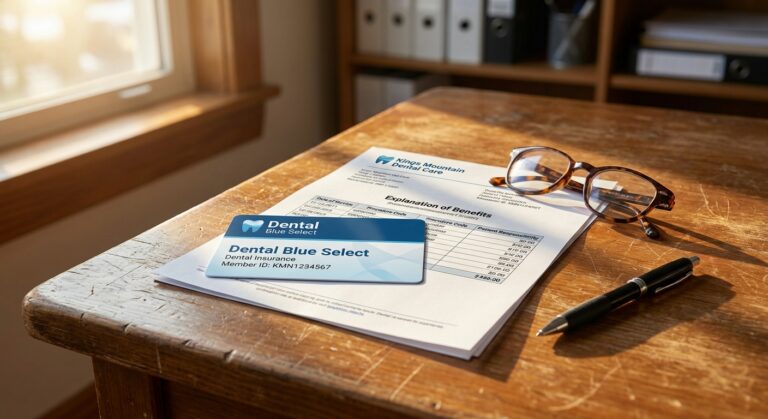
No. Dental insurance almost never covers teeth whitening, because plans classify it as cosmetic. Tilley Family Dentistry accepts BlueCross BlueShield, Delta Dental, and United Healthcare for the services your plan includes, but you should plan to pay for whitening yourself.
That can sting, especially if you are already the person keeping track of everyone’s dental appointments and costs at home. Your benefits still matter here, though. If your plan includes routine exams and cleanings, scheduling your checkup before whitening means the exam and the cleaning that prepare your teeth fall under your plan’s normal rules. Only the whitening itself comes out of pocket. Benefits vary from plan to plan, so check yours before you assume anything.
So when you ask how much a full set of teeth whitening will cost your household, the real answer is the whitening fee plus anything your plan does not cover. A few practical ways to keep that number under control:
- Choose take-home trays if you are not on a deadline. They usually cost less than an in-office visit, and you can reuse them.
- Pair whitening with a visit you already need. One trip covers your exam, your cleaning, and your whitening plan.
- Stop buying strips you are not happy with. Several boxes a year can quietly add up to the price of a professional option.
- Ask about payment options when you schedule. The Tilley Family Dentistry front desk can tell you what is available before you commit to anything.
- Check your health savings or flexible spending account. These accounts generally do not cover cosmetic whitening, so confirm with your plan before you count on them.
It also helps to see what results look like on real teeth. At your consultation at Tilley Family Dentistry, ask whether there are before and after photos of cases similar to yours. A clear picture of a realistic result is worth more than any promise, and it lets you decide whether the cost makes sense for you.
How Long Will Your Results Last, and What Does That Mean for the Real Cost?
Professional whitening results vary by patient; documented durations range from 6 to 18 months, depending mostly on how much coffee, tea, red wine, and tobacco your teeth see, though response varies. Published reports indicate shorter duration for over-the-counter products compared to professional methods, though individual response varies, which is why their low price can turn into the more expensive option over a year.
Do the math on your own habits. If you buy a drugstore box every couple of months to keep your color up, the yearly total can approach what professional whitening costs, and you may not get the stronger, more even result. With custom trays, a touch-up usually means a few nights of wear with refill gel, not starting over. You can also maintain in-office results with take-home touch-ups between visits. Results vary from person to person, and no method is permanent, but planning for upkeep can help make the first investment last.
Regular care does much of the work. Preventive care and cleanings at Tilley Family Dentistry remove the surface stains that build up between visits, so your whitening may hold longer. Rinsing with water after coffee, using a straw for iced tea, and brushing before bed all slow the fade. Sensitivity after whitening is common and usually temporary, according to the same peer-reviewed review, and your dentist can suggest ways to ease it if it shows up. Comfort comes first at this Tilley Family Dentistry practice, so tell the team if your teeth already react to cold before you start.
There is one more reason this setup works for busy households. Your whitening touch-ups and your family’s checkups can happen in the same Tilley Family Dentistry office, with the same team. If you live in Bessemer City or Gastonia, you will not need a separate cosmetic appointment somewhere else, and your dentist will not be a stranger. That is what patient-centered care built on honesty, comfort, and long-term trust looks like in everyday life.
If you are ready for a straight answer, schedule a whitening consultation at Tilley Family Dentistry in Kings Mountain, NC. You will get honest answers about which method fits your timeline, your budget, and your type of staining, with no pressure to choose a treatment that may not give you the result you want. You can also read more about professional teeth whitening at Tilley Family Dentistry before your visit. One thing to do today: smile in a bright mirror and look for fillings or crowns on your front teeth. If you see any, mention them when you call. That one detail can change which option makes sense and what your full set of whitening will really cost.
Ready to See What Whitening Could Do for Your Smile?
If you’ve been weighing cost against confidence, the clearest next step is a conversation about what whitening looks like for your specific situation. The team at Tilley Family Dentistry in Kings Mountain can walk you through options that match both your goals and your budget, with no pressure and no surprises. Your questions deserve straightforward answers.
Price ranges in this article are typical figures across the US, not a quote from Tilley Family Dentistry. Your fee and your results depend on your teeth, and results vary from person to person.