Understanding cosmetic dental bonding
Cosmetic dental bonding is a minimally invasive way to improve how your teeth look using a tooth colored resin material. During the procedure, your dentist applies a composite resin to your tooth, shapes it, then hardens it with a special light so it bonds securely to your enamel. This can repair chips, close small gaps, mask discoloration, and refine the shape or length of teeth so your smile looks more even and balanced.
Unlike porcelain veneers or crowns, cosmetic dental bonding usually requires little to no removal of natural tooth structure and is considered reversible. You typically complete treatment in a single visit, which makes bonding one of the fastest and most convenient cosmetic dentistry options available.
If you are exploring ways to update your smile, you might look at treatments such as professional teeth whitening, veneers, contouring, or a complete smile transformation. Bonding often fits in as a conservative, budget friendly solution when you want noticeable improvement without committing to more extensive procedures.
What cosmetic dental bonding can fix
Cosmetic dental bonding is versatile. You can use it to correct a single distracting flaw or address several small issues across multiple teeth.
You may be a candidate for bonding if you want to:
- Repair a chipped or cracked tooth
- Cover stubborn stains or discoloration that whitening cannot lift
- Close small gaps between teeth
- Change the shape or length of a tooth
- Improve the look of slightly misshapen or mildly misaligned teeth
- Protect exposed tooth roots along the gumline
Bonding is particularly helpful on your front teeth, where cosmetic concerns are most visible and you want results that look natural and blend with the rest of your smile. Composite resin can be custom tinted so it closely matches the shade of your existing enamel, which helps your bonded tooth look like it has always been part of your smile.
Bonding is not ideal for every situation. If you have large fractures, significant decay, or major bite issues, you may need stronger options such as porcelain veneers or crowns. In those cases, it helps to talk with a porcelain veneers dentist or a smile makeover dentist to compare what each treatment can realistically achieve.
How the bonding procedure works
The cosmetic dental bonding process is usually straightforward and comfortable. In most cases, you do not need anesthesia, unless the bonding also covers a decayed area that needs to be cleaned first.
Step 1: Evaluation and shade matching
Your visit starts with an exam and photos or x rays if needed. Your dentist will review what you want to change about your smile and make sure your teeth and gums are healthy enough for bonding. If your primary concern is tooth color, your dentist might suggest in office teeth whitening first, then match the bonding material to your new shade so your result looks even.
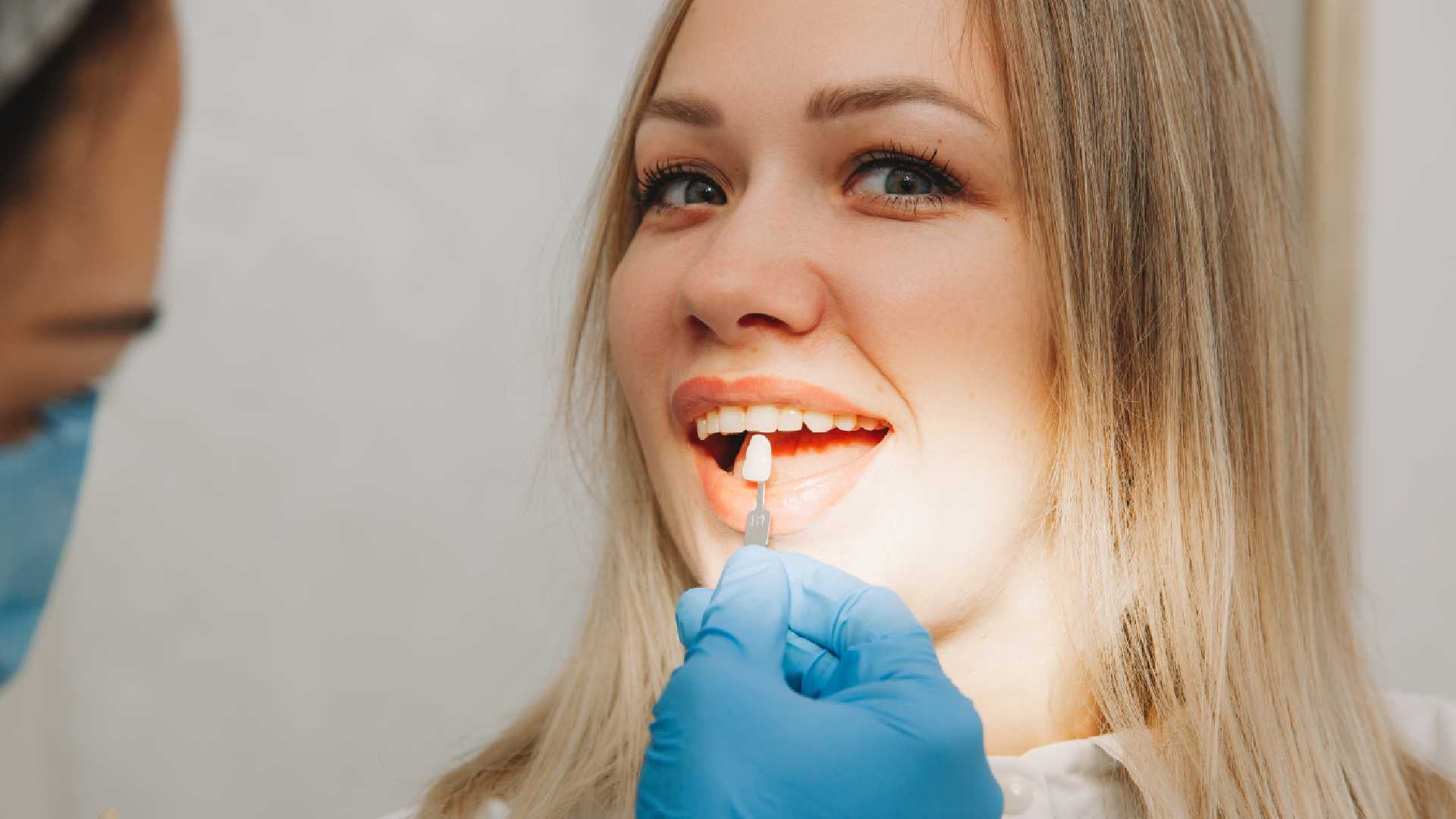
A shade guide is used to choose a resin color that blends with your surrounding teeth. This is important for achieving a seamless, natural looking result.
Step 2: Tooth preparation
To help the resin adhere, your dentist slightly roughens the tooth surface and applies a conditioning or priming liquid. This step creates microscopic grooves in the enamel, which give the bonding material a secure surface to cling to.
Unlike veneers, there is usually little to no removal of enamel, so you preserve your natural tooth structure and avoid injections in many cases.
Step 3: Layering and shaping the resin
Next, the tooth colored composite resin is placed onto your tooth in soft, moldable layers. Your dentist sculpts the material so it fills chips, closes spaces, or reshapes the tooth as planned. This stage is similar to artistic sculpting, since the goal is to mimic natural contours, light reflection, and proportions.
Step 4: Curing with light
Once the shape looks right, a special ultraviolet or laser light is directed at the resin to harden it in place. Each layer cures within seconds and becomes firm enough to function like your natural tooth structure.
Step 5: Finishing and polishing
After the bonding material is fully hardened, your dentist does final trimming and shaping, then polishes the surface so it is smooth and glossy. The goal is for the bonded area to be indistinguishable from the rest of the tooth.
From start to finish, cosmetic dental bonding generally takes about 30 to 60 minutes per tooth and is usually completed in a single appointment.
Benefits of cosmetic dental bonding
If you are comparing cosmetic options, it helps to understand where bonding shines. Many patients choose dental bonding because it offers a combination of convenience, comfort, and cosmetic improvement.
Minimally invasive and reversible
Bonding usually requires little or no enamel removal. That makes it one of the most conservative cosmetic treatments you can choose. If you decide later to pursue a different option, such as natural looking veneers, you have preserved more of your original tooth.
Because the underlying tooth structure stays mostly intact, bonding is considered reversible and low risk when your teeth and gums are healthy.
Fast results in one visit
You often walk in with a chipped or stained tooth and walk out the same day with an improved smile. There is no lab fabrication period, and no need for temporary restorations. For front teeth, in particular, that immediacy can make a major difference in how confident you feel.
Many patients appreciate that bonding can correct one or two key teeth and still fit into a busy schedule. If you are planning a larger smile update, your dentist can also combine bonding with other chairside treatments like a teeth contouring procedure to refine minor imperfections.
Natural looking appearance
Modern composite resins are designed to imitate natural enamel. Your dentist can customize the color, translucency, and texture so the bonded area reflects light similarly to the rest of your tooth.
When done carefully, bonding blends in so well that people notice your smile looks better, but not that you have had work done. That discreet, natural finish is one reason bonding is popular for front teeth and for patients who prefer subtle enhancement over an obvious cosmetic change.
Cost effective cosmetic upgrade
Cosmetic dental bonding is often more affordable per tooth than veneers or crowns. Since there is no lab fee and minimal prep, your overall cost is typically lower while still delivering a noticeable improvement in your smile.
If you have several small flaws across your front teeth, your dentist can sometimes prioritize the teeth that show the most when you smile. Strategic bonding like this can give you a big boost in confidence while staying within your budget.
Cosmetic dental bonding gives you a visibly brighter, more even smile without intensive treatment or a long recovery period.
Limitations and risks you should consider
Every cosmetic procedure has trade offs. Understanding the limits of cosmetic dental bonding helps you decide whether it fits your goals and lifestyle.
Durability and lifespan
Bonding materials are strong, but they are not as hard as natural enamel or porcelain. The typical lifespan of dental bonding is about 3 to 10 years before you may need touch ups or replacement, depending on how many teeth are bonded and your daily habits. For bonding on front teeth specifically, similar time frames are reported, with the exact longevity influenced by material quality and how well you care for your teeth.
If you frequently bite hard objects, grind your teeth, or have a strong bite on the bonded area, you may see wear or chipping sooner. On the other hand, if you follow your dentist’s care recommendations, you can often enjoy many years of service before any repair is needed.
Stain resistance
Composite resin is more porous than porcelain. This means it can pick up stains over time, especially if you regularly drink coffee, tea, red wine, or dark sodas or if you use tobacco. Even if you whiten the surrounding teeth later, the bonded areas will not lighten, so in some cases they may need to be replaced to match a whiter shade.
If you already struggle with dark or yellowed teeth, you might consider a brighten yellow teeth treatment or in office teeth whitening first, then use bonding to refine shape or fill gaps once your color is where you want it.
Susceptibility to chips and breaks
Bonded teeth are more likely to chip or break than natural teeth or veneers, especially if you:
- Bite your nails
- Chew on pens, ice, or hard candies
- Use your teeth to open packaging
- Have an untreated clenching or grinding habit
If your bonding chips or cracks, you should contact your dentist promptly so they can assess whether it can be repaired or needs replacement. Fortunately, many small flaws can be fixed in a single visit.
What about oral health risks
For healthy teeth and gums, dental bonding generally does not pose significant risks and requires no downtime. You might have brief sensitivity right after treatment, but this usually fades quickly.
If you have underlying decay, gum disease, or significant fractures, those issues need to be addressed first. In some cases, your dentist may recommend different restorations that better protect tooth structure and function.
Cosmetic bonding vs veneers and other treatments
If you are deciding between cosmetic dental bonding and other options, it helps to compare what each treatment does best. Your choice often depends on the extent of your concerns, how long you want results to last, and how much tooth reduction you are comfortable with.
Bonding compared with veneers
Both bonding and veneers can change tooth color, shape, and alignment, but they do it in different ways.
- Bonding uses composite resin that is applied and sculpted directly on your tooth in one visit. It is ideal for small to moderate changes and is more conservative in terms of enamel removal.
- Porcelain veneers are thin shells that are custom made in a lab and then permanently cemented to the front of your teeth. They are more stain resistant and durable, and they can deliver a dramatic, uniform upgrade across your entire smile, but they usually require more enamel reduction and a longer process.
If you are weighing veneers vs bonding, consider how much change you want, how long you expect results to last, and your budget. Veneers can often last 10 to 15 years or more with good care, while bonding typically has a shorter lifespan, but bonding is also easier to adjust or repair if your preferences change over time.
You can explore details like how long do veneers last and what to expect from a porcelain veneers dentist if you are leaning toward a more comprehensive transformation.
Bonding and professional whitening
If your main concern is tooth color, whitening is usually the first line of treatment. Professional teeth whitening or an in office teeth whitening session can often lighten your entire smile several shades.
However, whitening does not change the shape or alignment of teeth. If you have both discoloration and minor chips or small gaps, a common approach is to whiten first, then use bonding strategically to refine the shape and close spaces. This combination lets you correct both color and contour while keeping treatment as conservative as possible.
Bonding with contouring and smile makeovers
For subtle sculpting, your dentist may recommend combining bonding with a teeth contouring procedure. Contouring involves gently reshaping enamel to smooth rough edges or correct minor overlaps, while bonding adds material where needed. Together, they can even out your smile line and make teeth look more symmetrical without extensive work.
If you are considering a bigger change, cosmetic dental bonding can also be part of a complete smile transformation. In a comprehensive plan, your dentist might integrate whitening, bonding, veneers, and contouring in stages to create a balanced, natural looking result that suits your face, lips, and personality.
How to care for bonded teeth
Good home care and habits play a major role in how long your cosmetic dental bonding lasts and how good it looks over time.
Daily hygiene and habits
To keep bonded teeth looking their best, you should:
- Brush at least twice a day with a soft bristle toothbrush and non abrasive fluoride toothpaste
- Floss once a day to remove plaque between teeth and around the gumline
- Limit foods and drinks that easily stain such as coffee, tea, red wine, dark berries, and colas
- Rinse with water after consuming staining beverages
- Avoid tobacco in any form
These habits help maintain both the color and surface smoothness of the bonding material as well as the health of the underlying tooth and gums.
Protecting against damage
You can reduce the risk of chips and cracks by:
- Not biting your nails or chewing hard objects like pens, ice, or hard candy
- Wearing a night guard if you clench or grind your teeth
- Wearing a sports guard during contact activities
- Using scissors or other tools instead of your teeth to open packaging
If you notice any rough edges, sensitivity, or visible changes in your bonding, schedule a visit so your dentist can check and polish or repair the area before a small issue turns into a bigger problem.
Routine dental visits
Regular checkups, usually every six months, give your dentist a chance to monitor the condition of your bonding, clean away stains, and catch any wear early. Touch ups are often quick and can extend the life of your bonding significantly.
Your visits are also a good time to talk about any new cosmetic goals. If you decide you want a whiter shade overall, more uniform tooth shapes, or to upgrade to veneers in the future, your dentist can plan a timeline that makes sense for you.
Is cosmetic dental bonding right for you
Cosmetic dental bonding can be an excellent choice if you:
- Want a fast, conservative solution for chips, small gaps, or localized discoloration
- Prefer treatment that preserves as much natural tooth structure as possible
- Are looking for a more budget friendly option than veneers or crowns
- Need a single tooth or a few front teeth improved, rather than a full arch makeover
- Are comfortable maintaining good oral hygiene and moderating staining habits
On the other hand, you may be better suited to veneers or a broader smile plan if you have severe discoloration that whitening cannot fix, extensive wear, large fractures, or a desire for a dramatic, long lasting change across many teeth.
The best way to make an informed decision is to schedule a cosmetic dentist consultation. During that visit, you can:
- Explain what you like and do not like about your current smile
- Review photos or digital previews of what bonding and other options could look like for you
- Understand the expected lifespan, maintenance, and cost of each treatment
- Ask how different procedures, such as whitening, bonding, and veneers, could be combined to match your long term goals
With a personalized treatment plan, you can use cosmetic dental bonding on its own or alongside whitening, contouring, and veneers to create a smile that looks natural, balanced, and truly yours.