
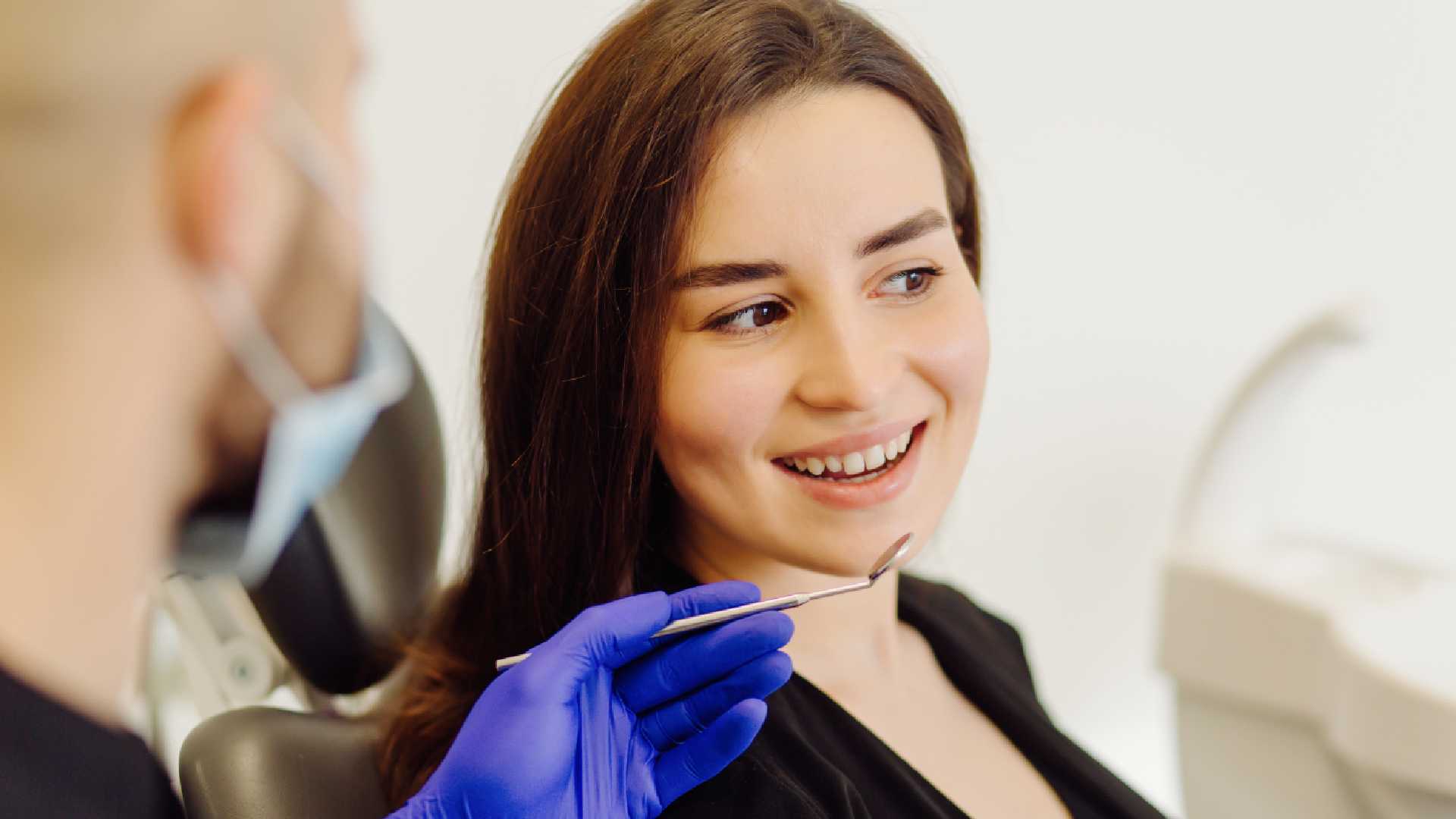
Understanding a single tooth dental implant
If you are missing one tooth, a single tooth dental implant can replace it in a way that looks, feels, and functions very much like your natural tooth. A single tooth dental implant uses a small titanium post that is surgically placed into your jawbone to act as the new tooth root. Once it heals, your dentist attaches a connector called an abutment and a custom crown on top, creating a permanent replacement for your missing tooth that blends into your smile.
Because the titanium post fuses with your jawbone through a process called osseointegration, your new tooth has a stable foundation similar to a natural root. This stability is one of the main reasons many people feel more confident eating, speaking, and smiling after treatment.
A single tooth dental implant is often considered one of the most effective, long lasting options to replace a missing tooth. With proper care, the implant itself can often last decades, while the crown may eventually need replacement after years of normal wear.
How a missing tooth affects your confidence
Losing even one tooth can have an impact that goes beyond your appearance. You might find yourself covering your mouth when you laugh, avoiding photos, or changing the way you speak so that the gap is less noticeable. Over time, these small adjustments can affect how you feel about yourself in social and professional settings.
A missing tooth can also change how your teeth fit together when you bite, which can subtly affect your speech patterns. You may struggle with certain words or feel air escaping through the gap, and that can lead to self consciousness when you talk in meetings, job interviews, or casual conversations.
There is often a physical side to this as well. When you lose a tooth, the jawbone in that area no longer receives stimulation from chewing, so it can slowly begin to shrink. This bone loss can change the shape of your face over time and may make you feel older than you are. The combination of visible gaps, changes in facial support, and functional challenges can gradually erode your self esteem if the missing tooth is not replaced.
How a single tooth implant restores your smile
A single tooth dental implant is designed to address both the cosmetic and functional effects of a missing tooth. The crown that attaches to the implant is custom made to match the color, shape, and size of your surrounding teeth. This allows your restored tooth to blend in so naturally that most people will not be able to tell which tooth was replaced.
Because the implant is anchored directly into your jawbone, it also supports your facial structure and helps prevent the bone in that area from shrinking. This preservation of the jawbone helps maintain your natural facial contours and can reduce the hollowed or sunken look that sometimes develops with tooth loss.
Over time, this stable, natural looking replacement tends to feel like your own tooth. You can bite, chew, and smile with confidence, without worrying about a visible gap or a dental prosthesis that moves out of place.
Confidence benefits you can expect
When you choose a single tooth dental implant, you are not only restoring a tooth, you are also investing in how you feel about yourself day to day. Many patients notice several important confidence related benefits after their treatment has healed.
Feeling better about your appearance
A complete, even smile can have a clear effect on how you see yourself. A custom implant crown is carefully crafted to match your surrounding teeth so that the final result looks very natural. The color, translucency, and shape are all chosen to blend with your existing smile, which can help you feel comfortable in close conversations and photographs again.
Because the implant replaces the root as well as the visible tooth, it also supports the surrounding bone and soft tissues. This can help maintain the natural gum line, which contributes significantly to an attractive smile and a more youthful appearance.
Speaking and laughing without worry
If your missing tooth is in the front of your mouth or in an area that affects your speech, you may find yourself holding back when you talk or laugh. A securely anchored implant crown does not slip or shift, so you can speak clearly without worrying about a gap or a removable appliance moving when you talk.
This sense of security often encourages you to participate more fully in conversations, social events, and professional situations. Instead of focusing on how your teeth look or feel, you can direct your attention to the interaction itself.
Enjoying food in public again
Eating with a missing tooth can be challenging. You may avoid biting into certain foods or chew on one side of your mouth. Over time, this can limit what you feel comfortable ordering at restaurants or eating at gatherings.
A single tooth dental implant is designed to function like a natural tooth, so you can typically bite and chew most foods comfortably once healing is complete. Knowing that your replacement tooth is secure can make dining out and shared meals more relaxed and enjoyable.
One of the most common comments after implant treatment is that you stop thinking about your tooth altogether. That freedom from worry is a major part of the confidence boost many patients describe.
Long term stability and peace of mind
Confidence is easier to maintain when you do not have to constantly think about repairs, replacements, or restrictions. A single tooth dental implant offers several long term advantages that support your sense of security over time.
Durability and longevity
Dental implants are designed as a long term tooth replacement solution. Research and clinical experience show that implants can last for decades when they are properly placed and well cared for. The implant post itself integrates with the jawbone, and in many cases it can remain stable for the rest of your life.
The crown on top of the implant is subject to normal wear and tear from chewing and may eventually need to be replaced. However, this is usually a straightforward process that does not involve the implant post in the bone.
If you are thinking about how to replace missing teeth permanently or looking for a long term tooth replacement option, this longevity is an important factor to consider.
Protecting nearby teeth and bone
Unlike a traditional bridge, which typically requires your dentist to remove healthy enamel from neighboring teeth to support the replacement, a single tooth dental implant stands on its own. The implant is anchored directly in the jawbone, so the adjacent teeth do not need to be altered or used as supports.
This preservation of natural tooth structure can reduce your risk of future decay or damage to those teeth. In addition, by replacing the missing root, the implant stimulates the jawbone and helps prevent the bone loss that often follows tooth removal.
Maintaining strong, stable bone and healthy neighboring teeth supports the overall integrity of your bite. Over time, that stability can contribute to a more balanced, confident smile.
How implants compare with bridges and dentures
When you are missing a tooth, you usually have several options to consider. Understanding how a single tooth dental implant compares with a dental bridge or dentures can help you decide which solution best supports your comfort and confidence.
Single implant vs traditional bridge
A fixed dental bridge replaces a missing tooth by anchoring a false tooth to crowns placed on the neighboring teeth. While bridges are a well established option, they have some important differences compared with implants.
Key distinctions include:
- Implants do not require grinding down healthy adjacent teeth, which helps preserve your natural tooth structure
- Implants replace the tooth root and help maintain jawbone volume, while bridges sit on top of the gums and do not prevent bone loss
- Implants typically last longer than bridges, which often need replacement or repair after several years
If you are weighing the best option for missing teeth, these differences in longevity and bone preservation are important considerations.
Implants vs partial or full dentures
If you are missing several teeth, you might be considering a partial dentures dentist or complete dentures dentist as well. Traditional dentures and partials rest on the gums and may be held in place by clasps or adhesive. While they can restore appearance and some chewing function, they do not replace tooth roots or stimulate the jawbone.
A single tooth implant, or a series of implants, can offer more stability and comfort because they are firmly anchored in the bone. For people missing multiple teeth, multiple tooth implants or implant supported dentures can combine the benefits of implants with larger restorations. These options can significantly reduce slipping, clicking, or sore spots, and they can also help secure dentures with implants so you feel more confident speaking and eating in public.
If you are comparing dental implants vs dentures, it can help to think about what matters most to you. If long term stability, bone preservation, and a natural feel are priorities, implants usually offer clear advantages. If you need a more budget friendly solution or have medical factors that limit surgery, dentures may still have a role.
What to expect from the implant process
Knowing what will happen at each step can ease anxiety and help you feel more prepared and in control. The process for a single tooth dental implant typically takes several months from start to finish, but much of that time is spent healing rather than in the dental chair.
Planning and evaluation
Your implant journey begins with a thorough examination. Your dentist reviews your medical and dental history, examines your mouth, and takes X rays or 3D scans to evaluate your jawbone and the surrounding teeth. This planning step helps determine if you are a good candidate and whether you will need any preparatory procedures such as bone grafting.
If your jawbone is too thin or soft to support an implant, a bone graft may be recommended. This involves adding bone material to build up the area, and then allowing time for it to heal and integrate. The goal is to create a strong foundation so the implant can fuse securely with the bone.
Implant placement and healing
During the implant placement procedure, your dentist or specialist uses local anesthesia so you stay comfortable. A small opening is made in the gum, the implant is placed into the jawbone, and then the gum is closed over or around the implant. Because bone has no nerve endings, many people report that discomfort after surgery is milder than they expected and typically manageable with over the counter pain relievers.
The next phase is osseointegration. Over several months, your jawbone grows and fuses tightly around the implant, creating a stable anchor for your new tooth. Depending on your individual healing response, this can take anywhere from about 2 to 6 months or longer.
Abutment and crown placement
Once the implant is firmly integrated, a minor procedure is performed to place the abutment, the connector that links the implant to the crown. The gums are allowed to heal around the abutment, and then impressions are taken so a custom crown can be made to match your bite and your other teeth.
In some cases, a temporary crown or healing prosthesis is placed soon after surgery to maintain appearance and function while everything heals. Once your final crown is ready, it is securely attached to the abutment, and your single tooth dental implant treatment is complete.
If you would like more detail about timing and healing, you can also explore information on tooth implant recovery time and the dental implants procedure.
Recovery and getting back to normal life
Understanding what recovery looks like can help you plan work, family activities, and social events around your treatment. Most people are pleasantly surprised to find that returning to normal routines happens fairly quickly.
Early healing after surgery
Immediately after implant placement, it is common to experience minor swelling, tenderness, and some bruising. These symptoms typically peak within the first 48 to 72 hours and then begin to improve. Over the counter pain relievers and cold compresses are usually enough to keep you comfortable during this period.
Your dentist will give you specific instructions for caring for the surgical area. You may be advised to rinse with warm salt water starting the day after surgery, to brush gently around the area, and to avoid mouthwashes or peroxide based rinses until your provider says they are safe to use.
Activity level and diet
Most patients who receive a single tooth dental implant are able to return to normal daily activities such as work or school within about three days, sometimes sooner if their job is not physically demanding. You should avoid strenuous exercise, heavy lifting, alcohol, and smoking in the early days of recovery because these can increase bleeding and slow healing.
In terms of eating, you can usually start with soft foods a short time after surgery, avoiding very hot liquids and drinking through straws for at least 24 hours. As your comfort improves, you can gradually return to a more regular diet, following your dentist’s specific recommendations.
If pain or swelling gets worse instead of better after the first few days, this can be a sign of infection or another complication, and you should contact your dental office right away for guidance.
Long term care
After your implant has healed and the final crown is in place, caring for your new tooth is similar to caring for your natural teeth. Daily brushing and flossing, along with regular dental checkups and professional cleanings, are essential. Maintaining good oral hygiene and avoiding tobacco products can help protect both your implant and your natural teeth.
Consistent care supports the long term success of your implant and helps you maintain the confidence that comes from a healthy, complete smile.
Candidacy, costs, and making your decision
Before you decide on a single tooth dental implant, it is helpful to look at whether you are a good candidate, what the financial investment may be, and how it fits with your long term goals for your oral health.
Who may be a good candidate
You may be a strong candidate for a single tooth dental implant if:
- You are missing one tooth or will have a tooth removed
- Your jawbone in that area is healthy enough or can be strengthened with grafting
- Your gums and neighboring teeth are in generally good condition
- You do not smoke, or you are willing to quit during the healing process
- You are in overall good health and able to undergo minor oral surgery
In some cases, medical conditions, medications, or habits like heavy smoking can increase the risk of implant failure by interfering with healing or bone integration. A careful evaluation with your dentist or specialist will help clarify your personal risk factors.
Understanding costs and value
The cost of a single tooth dental implant can vary based on where you live, the complexity of your case, and whether you need additional procedures such as bone grafting or tooth extraction. Nationally, research suggests that the average cost for a full size single tooth implant in the United States is about 2,143 dollars, with a typical range from 1,646 to 4,157 dollars as of early 2026. In some regions, total costs including the implant, abutment, and crown may range from about 3,000 to 6,000 dollars per tooth.
Dental insurance coverage for implants varies widely. Some plans contribute a percentage after you meet your deductible, while others exclude implants or classify them as major services with limited benefits. Because insurance coverage is often partial, many patients use financing options, including healthcare specific credit cards, to manage out of pocket expenses.
Although the upfront cost is higher than some alternatives such as bridges or removable partial dentures, the long service life and bone preservation benefits of implants can make them a cost effective solution over time. When you factor in fewer replacements and a more natural function, the long term value becomes clearer.
Aligning treatment with your goals
Ultimately, the right choice for you depends on your individual priorities. If your main concerns are stability, long term durability, and a replacement that feels as close as possible to a natural tooth, a single tooth dental implant is likely to align well with your goals.
If you are missing several teeth, you might also explore multiple tooth implants or implant supported dentures as part of a broader plan to restore your entire smile. Talking through these options with your dentist can help you decide which approach best fits your health, budget, and expectations for comfort and confidence.
By understanding how a single tooth dental implant works, what to expect during treatment and recovery, and how it compares with other options, you can make a more informed decision about your care. With the right plan in place, you can restore not only a missing tooth but also the confidence that comes from a strong, healthy smile.
References
- (Mayo Clinic, CareCredit)
- (Mayo Clinic)
- (Lake Shore Dental Studio, Aspen Dental)
- (Lake Shore Dental Studio)
- (Lake Shore Dental Studio, NZ Adeh DMD)
- (CareCredit, NZ Adeh DMD)
- (Smiles of Aurora)
- (Aspen Dental, NZ Adeh DMD)
- (Cleveland Implant Institute, NZ Adeh DMD)
- (CareCredit, Smiles of Aurora)
- (Cleveland Implant Institute)
- (CareCredit)
- (NZ Adeh DMD)
- (Dr. Scharf, Tooth Wise Guys)
- (CareCredit, Tooth Wise Guys)
- (Aspen Dental, Dr. Scharf)
- (Tooth Wise Guys)
- (Dr. Scharf)