
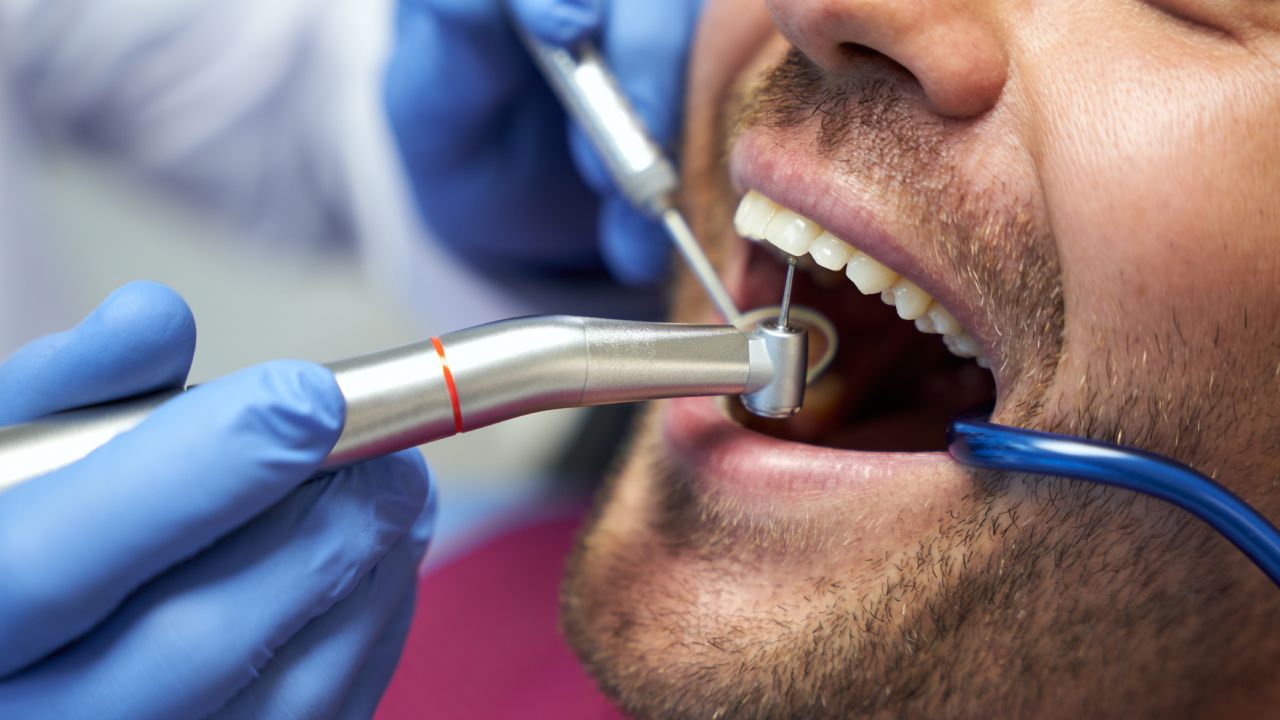
What scaling and root planing treatment is
If your dentist has recommended scaling and root planing treatment, you are essentially being advised to have a deep dental cleaning that goes below the gumline. This procedure removes hardened tartar and bacteria from the roots of your teeth to treat mild to moderate gum disease, also called periodontitis. It is more thorough than a routine professional teeth cleaning and is designed to stop infection and protect the bone that supports your teeth.
During scaling and root planing, your dentist or hygienist carefully cleans the tooth surfaces under your gums and smooths the roots. This gives your gums a healthier surface to heal against and makes it harder for bacteria to reattach in the future. Scaling and root planing is considered a nonsurgical, first‑line treatment for gum disease and is often the key step that helps you avoid more invasive periodontal procedures later on.
Why scaling and root planing is recommended
Scaling and root planing treatment is typically recommended when routine cleanings are no longer enough to keep your gums healthy. If you have gum pockets that trap plaque, bleeding gums, or early bone loss, a standard dental cleaning and exam cannot reach the bacteria deep under the gumline.
Untreated gum disease allows bacterial toxins to sit on the roots of your teeth. Over time this can lead to:
- Ongoing bleeding and tenderness
- Receding gums and exposed roots
- Loss of the bone that holds your teeth in place
- Loose teeth and eventual tooth loss
Gum disease is common and can be silent in the early stages. Chronic periodontitis, a more advanced form of gum disease, affects nearly half of adults over 30 in the United States. Scaling and root planing helps interrupt this process before it progresses, so you can keep your natural teeth and maintain a healthier smile.
If you have been told you need a deep teeth cleaning dentist visit, that usually means your exam and X‑rays showed signs of periodontal issues that are best managed with scaling and root planing.
How scaling and root planing works
Evaluation before treatment
Your dentist begins with a thorough assessment to decide whether scaling and root planing is appropriate. This often includes a comprehensive dental exam, gum measurements, and X‑rays. During this evaluation your dentist measures the depth of the spaces between your teeth and gums, called periodontal pockets.
Healthy pockets are generally shallow. When pockets become deeper, plaque and tartar collect in areas you cannot reach with brushing and flossing. If your pockets are deeper than what a regular routine dental checkup and cleaning can manage, scaling and root planing is typically recommended as part of your gum disease treatment.
The scaling phase
Scaling is the part of the procedure where plaque and tartar are removed from the tooth surfaces. Your dentist or hygienist uses specialized tools, including hand scalers and ultrasonic instruments, to clean both above and below the gumline. The goal is to remove deposits all the way to the bottom of each periodontal pocket.
You can expect:
- Local anesthetic to numb the treatment areas so you stay comfortable
- Careful cleaning along the root surfaces where bacteria collect
- Possible use of an ultrasonic scaler that vibrates to break up tartar and sprays water to flush debris
The root planing phase
Root planing comes next. During this step, your dentist smooths the root surfaces of your teeth. Rough root areas give bacteria more places to cling to and can prevent your gums from healing tightly to the tooth.
By smoothing the roots:
- Your gums have a cleaner, healthier surface to reattach to
- Periodontal pockets can become shallower over time
- Future plaque and tartar buildup becomes easier to control
In some cases, medication such as localized antibiotics or antimicrobial agents may be placed directly in the cleaned pockets to improve healing and reduce bacterial levels.
Number and length of visits
Scaling and root planing is usually completed in one or two appointments, although more visits may be needed if you have advanced gum disease or extensive buildup. Each visit often takes about one to two hours depending on how many teeth and areas require care.
Your dentist may treat one half or one quadrant of your mouth at a time so that you remain comfortable and can eat on the untreated side while the numbing wears off.
What you can expect during the procedure
You can think of scaling and root planing as an extended, more detailed cleaning that focuses on your gum health. The experience usually includes:
- Local anesthesia so the treated areas feel numb and you remain comfortable.
- Careful scaling using hand instruments or ultrasonic devices to remove plaque and tartar above and below the gums.
- Root planing to smooth any rough root surfaces and help your gums heal.
- Irrigation of the pockets to flush bacteria and debris.
- Possible placement of localized antibiotics in deeper pockets, depending on your case.
Most people tolerate the procedure very well. Since it does not involve incisions or sutures, it is significantly less invasive than surgical gum treatments and usually has a shorter and easier recovery period.
Benefits for your gums and overall health
Scaling and root planing treatment offers both immediate and long‑term benefits for your mouth. In the short term you are addressing active infection and inflammation. Over time, you are helping protect your overall oral health and reducing the risk of tooth loss.
Key benefits include:
- Reduced bleeding, swelling, and tenderness of the gums
- Shallower pocket depths as gums heal and tighten
- Slower or halted progression of periodontal disease
- Better breath as bacterial buildup decreases
- Easier and more comfortable brushing and flossing habits
Left untreated, progressive gum disease carries far greater risks than the treatment itself. Ongoing infection can lead to painful gum abscesses, significant tooth loss, and even loss of the supporting jawbone over time [3]. Scaling and root planing is the initial phase of periodontal care that can significantly improve the health of the tissues and bone that support your teeth.
By pairing this treatment with ongoing preventive dental care services, such as fluoride, sealants, and routine exams, you can guard your teeth and gums against future problems.
Scaling and root planing is designed to give you a fresh start with your gum health so that ongoing, everyday home care can be more effective.
Possible risks and side effects
Like any dental procedure, scaling and root planing does carry some potential side effects. However, serious complications are uncommon, especially when you follow your dentist’s instructions closely.
Common, short‑term effects include:
- Mild gum bleeding or oozing for a day or two
- Redness or swelling around the treated areas
- Soreness or discomfort in your gums or teeth for a few days
- Temporary sensitivity to hot, cold, or sweet foods
These symptoms generally improve quickly. Many people return to their usual routines the same day and notice clear improvement in gum comfort shortly after.
Less common risks can include:
- Adverse reactions to local anesthesia or medications
- Gum infection that may require antibiotics or antimicrobial rinses
- Increased root sensitivity if significant gum recession is present
Your dentist will review your medical history and current medications to minimize any risks and will give you clear instructions about what to watch for at home.
Recovery and aftercare at home
Healing after scaling and root planing is usually straightforward if you follow a few practical guidelines. The goal in the first few days is to protect the treated areas, manage normal tenderness, and keep the mouth clean enough to support healing.
Managing soreness and sensitivity
Numbness from the local anesthetic can last several hours. You should avoid eating until full feeling returns, particularly on the treated side, so that you do not accidentally bite your cheeks or tongue.
Once the numbness has worn off:
- Expect mild soreness or throbbing that typically improves within a few days
- Use over‑the‑counter pain relievers, such as acetaminophen, as directed by your dentist to manage discomfort
- Consider using a desensitizing toothpaste to help with root sensitivity after treatment
Sensitivity to very hot, cold, or sweet foods is common immediately after the procedure, so warmer, milder foods are usually more comfortable at first.
What to eat and avoid
Your gums may feel tender, and chewing hard foods can be uncomfortable. For the first few days, it is best to:
- Choose soft foods such as pasta, scrambled eggs, soups, yogurt, and mashed potatoes
- Avoid hard, crunchy, sticky, brittle, spicy, or very acidic foods that can irritate the treated areas
Try to limit alcohol and spicy foods for about two weeks to support comfortable healing. If you use tobacco, your dentist may recommend avoiding it for at least a few days, since smoking can delay healing and increase the risk of infection.
Oral hygiene and rinsing
Good home care after scaling and root planing helps your gums heal and keeps bacteria under control:
- Brush gently with a soft‑bristled toothbrush, especially around the treated areas
- Avoid flossing the treated sites for about a day, or as instructed, then resume carefully
- Rinse several times a day with warm salt water to soothe gum tissue and reduce tenderness
Your dentist may also recommend an antimicrobial mouthwash for a limited period. Use it exactly as directed, since overuse can sometimes lead to staining or affect taste.
If you notice heavy bleeding that lasts longer than 48 hours, or swelling that worsens instead of improving, contact your dentist promptly for guidance.
How long results last and what comes next
Most people need scaling and root planing treatment only once, provided they keep up with strong home care and regular dental maintenance visits. Your dentist will schedule follow‑up visits to:
- Recheck gum pocket depths
- Evaluate how well your gums have reattached to the tooth surfaces
- Decide whether any areas need additional focused cleaning or treatment
If your gums respond well, your care plan may shift back toward preventive visits at intervals that match your risk level. Many patients with a history of periodontitis benefit from more frequent periodontal maintenance cleanings as part of their ongoing periodontal therapy dentist care.
In some cases, if deep pockets or significant bone loss remain even after scaling and root planing, your dentist might discuss referral for more advanced periodontal procedures. The goal is always to stabilize your gums, protect the bone, and preserve your natural teeth for as long as possible.
Scaling and root planing and your overall preventive care
Scaling and root planing is one part of a larger picture that focuses on prevention, early detection, and consistent care. Your mouth is healthiest when several pieces work together:
- Routine dental cleaning and exam visits to catch problems early
- Targeted bleeding gums treatment if you notice ongoing gum bleeding
- Oral cancer screening dentist evaluations to monitor changes in your soft tissues
- Fluoride treatment dentist visits to strengthen tooth enamel
- Dental sealants for kids to help protect your child’s back teeth from cavities
- A custom nightguard for teeth grinding if clenching is putting extra stress on your teeth and gums
- Regular routine dental checkup appointments tailored to your risk for decay and gum disease
When you combine these preventive dental care services with consistent brushing, flossing, and healthy habits at home, you greatly reduce the chances of needing more invasive dental procedures later. Scaling and root planing, when needed, is an investment in your long‑term oral health. It helps restore a healthier foundation so that everyday care is more effective and your smile stays strong for years to come.
If you have questions about whether you need scaling and root planing treatment or how it fits into your ongoing care plan, talking with your dentist is the best next step. With clear information and a preventive approach, you can feel confident about the decisions you make for your gums, teeth, and overall health.