
Why a routine dental checkup matters
A routine dental checkup is one of the simplest ways to protect your teeth, gums, and overall health. When you see your dentist regularly for a routine dental checkup, problems like cavities, gum disease, and even oral cancer can be found and treated before they become painful, complex, or expensive to fix.
Most adults and children are advised to see a dentist every six months for an exam and cleaning to prevent issues such as tooth decay and gum disease [1]. Your dentist may recommend a different schedule based on your specific risk factors, but the goal is the same: prevent problems or stop them while they are still small and easy to treat.
With consistent visits, you are not just taking care of your smile for today. You are building a long-term partnership with a dental team that understands your health history, your family’s needs, and your goals for your teeth.
What happens during a routine dental checkup
Understanding what to expect can make it easier to stick with regular visits. A typical dental cleaning and exam appointment includes several important steps that work together to protect your oral health.
Health history and conversation
Your visit usually begins with a short health questionnaire or update. You may be asked about:
- Changes in your overall health or medications
- Any tooth pain, sensitivity, or bleeding gums
- Habits like tobacco use, grinding or clenching, and diet
This information helps your dentist personalize your care and determine how often you should be seen. Many people do well with visits every six to twelve months, but higher risk patients benefit from more frequent checkups [2].
Professional cleaning
Next, a hygienist or certified dental assistant performs a professional teeth cleaning. During this part of your dental cleaning and exam, you can expect:
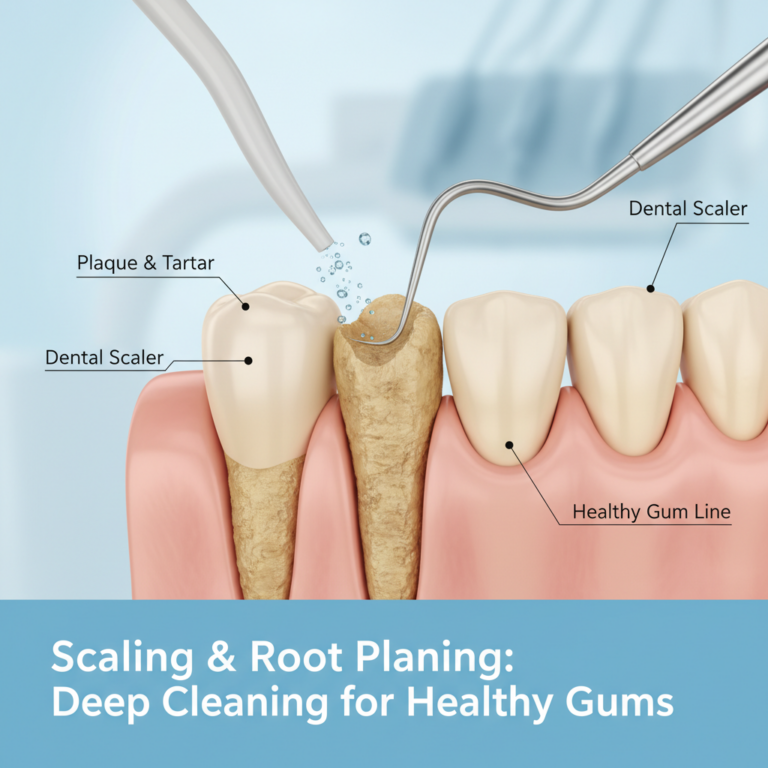
- Removal of soft plaque and hardened tartar that daily brushing and flossing do not fully reach
- Careful cleaning around and below the gumline
- Polishing to smooth your tooth surfaces and remove surface stains
- Flossing between each tooth and advice on your home care routine
Professional cleanings are essential because tartar is hardened plaque that you cannot remove at home. Regular removal helps prevent cavities and gum disease [3].
Dental exam and screening
After your cleaning, the dentist performs a comprehensive dental exam. This often includes:
- Checking each tooth for decay, cracks, or worn fillings
- Evaluating your gums for signs of inflammation or recession
- Assessing your bite, jaw movement, and any signs of teeth grinding
- Looking at your tongue, cheeks, and the roof and floor of your mouth
Your dentist may also perform an oral cancer screening, checking for unusual spots, lumps, or changes in the soft tissues. Routine checkups give your dentist a chance to look for early warning signs of mouth, head, and neck cancers, which increases the chances of effective treatment if detected early [3].
If you are searching for an oral cancer screening dentist, this exam is a key component of preventive care.
Dental X‑rays when needed
Depending on your age, risk level, and how long it has been since your last images, your dentist may recommend X‑rays. These help identify:
- Cavities between teeth or under old fillings
- Bone loss from gum disease
- Impacted teeth or infections at the root
X‑rays use very low doses of radiation, and dental exams are considered very low risk overall [1]. Your dentist will only recommend X‑rays when they are necessary, and they are typically avoided during pregnancy unless absolutely needed.
How routine checkups prevent cavities
Tooth decay rarely appears suddenly. It develops gradually as acids from plaque weaken the outer enamel. Your routine dental checkup interrupts this process at several points.
Early detection of weak spots and small cavities
During your exam, your dentist checks every surface of every tooth. They look for:
- White, chalky spots that indicate early demineralization
- Tiny pits, grooves, or dark areas that may be small cavities
- Rough or stained edges around old fillings
These early signs are often not visible or painful to you at home. Many dental problems like cavities do not cause noticeable symptoms until they are more advanced, which is why professional exams are so important [4].
When issues are found in the early stages, treatment is typically simpler and more conservative. Sometimes remineralizing treatments and improved home care can halt early decay before a filling is required.
Protective treatments for cavity prevention
Your dentist may recommend preventive services to strengthen your teeth, such as:
- Professional topical fluoride during your cleaning
- Sealants on chewing surfaces, especially for children and teens
- Nutrition and hygiene guidance tailored to your daily routine
If you are at higher risk of decay, a fluoride treatment dentist can apply concentrated fluoride to help fortify your enamel. For children, dental sealants for kids can protect the deep grooves of molars where toothbrush bristles have a hard time reaching.
By combining regular visits with daily brushing, flossing, and healthy eating, you significantly lower the chances of needing more complex restorative work later.
How checkups stop gum disease early
Gum disease is one of the most common oral health problems, and in many cases it is preventable. Regular routine dental checkups help keep your gums healthy and allow your dental team to intervene before damage becomes permanent.
Catching gingivitis before it progresses
Gum disease usually begins as gingivitis, which can show up as:
- Red, swollen, or tender gums
- Bleeding when you brush or floss
- Persistent bad breath
It is important not to ignore these symptoms. If you notice swollen, dark red, or bleeding gums, you should contact your dentist rather than wait for your next scheduled visit [1].
At the gingivitis stage, gum inflammation is often reversible with professional cleaning and improved home care. A professional teeth cleaning removes plaque and tartar at and just below the gumline, which reduces inflammation and allows the gums to heal.
If you are already seeing signs such as bleeding or sensitivity, a dedicated bleeding gums treatment visit can help you get back on track quickly.
Preventing and managing periodontal disease
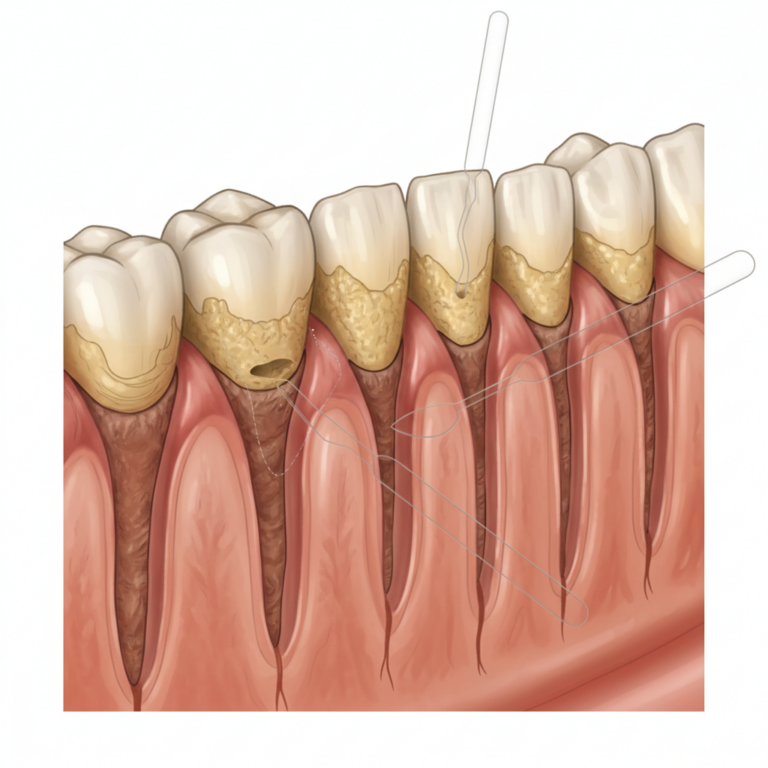
If plaque and tartar are allowed to sit on the teeth for a long time, they can cause the gums to pull away from the teeth, forming pockets that collect bacteria. This more advanced stage is called periodontitis. It can lead to:
- Bone loss around the teeth
- Loose teeth or tooth loss
- Chronic bad breath
- Increased risks associated with conditions like diabetes and heart disease [2]
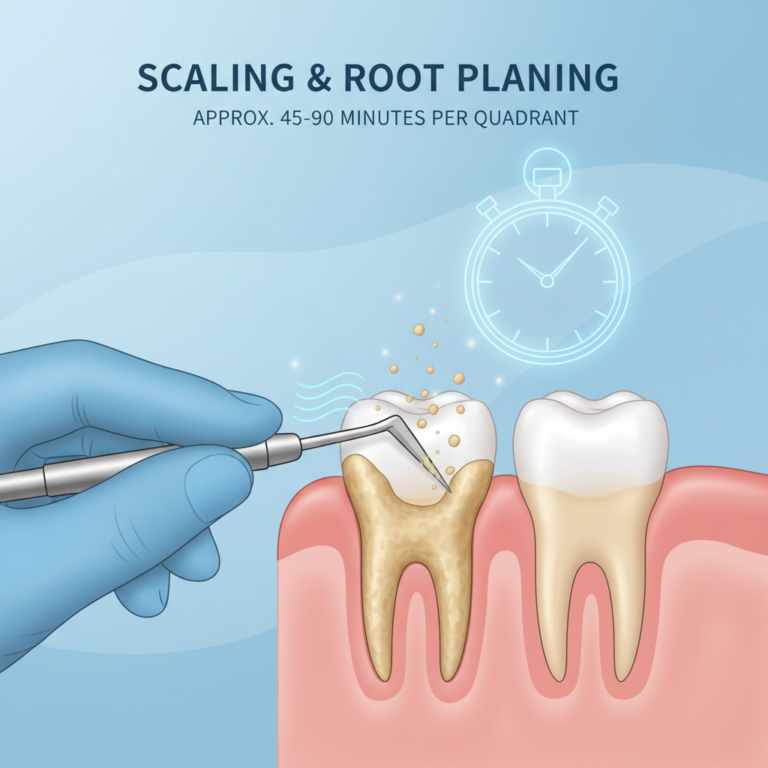
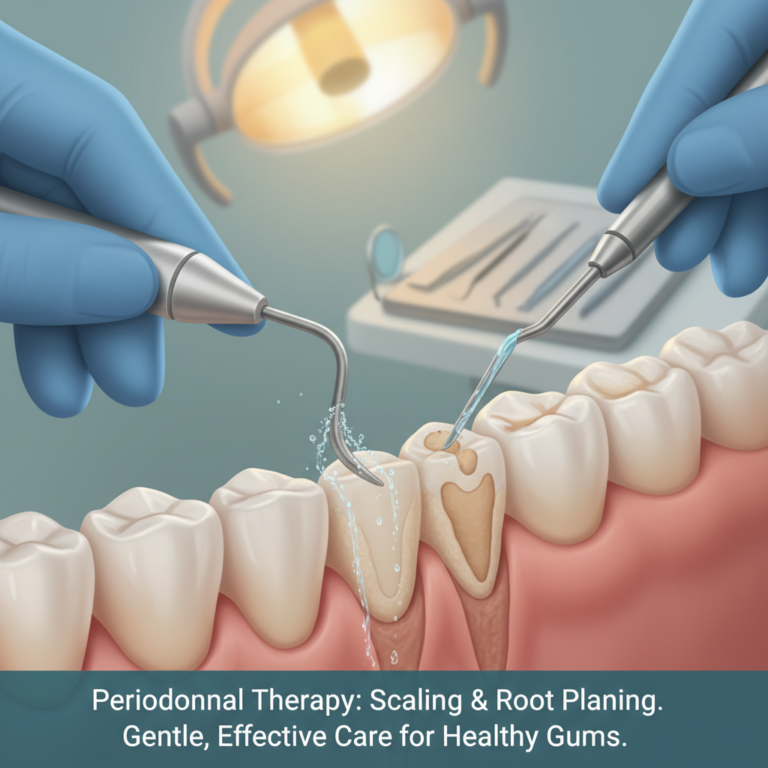
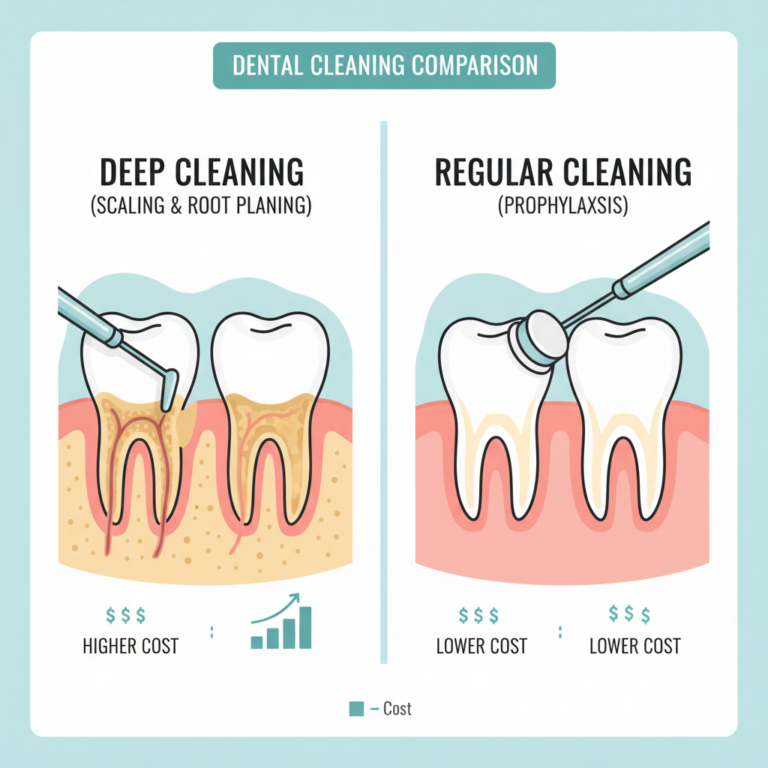
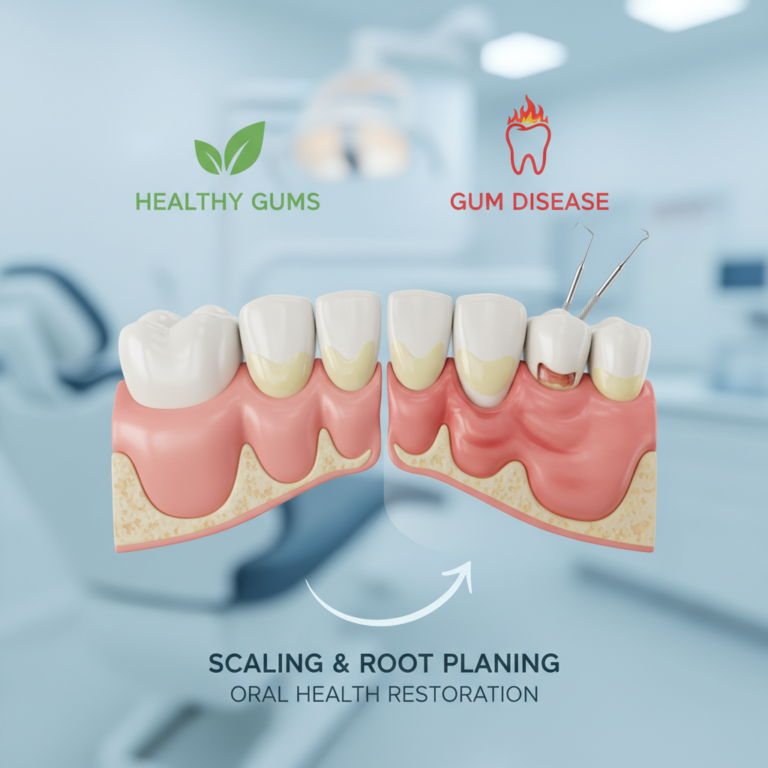
Regular checkups help your dentist measure your gum health, monitor any changes, and determine if you need a deep cleaning such as scaling and root planing treatment. If gum disease is present, a periodontal therapy dentist can design a plan to control and manage it, which may include:
- Deep teeth cleaning below the gumline
- More frequent maintenance visits, such as every three months for higher risk patients [3]
- At‑home tools and techniques to keep your gums as healthy as possible
If your dentist has recommended a deep teeth cleaning dentist or ongoing gum disease treatment, staying consistent with follow‑up care is key to protecting your teeth and overall health.
Checkups and your overall health
Your mouth does not exist in isolation from the rest of your body. Routine dental appointments are an important part of maintaining your overall health.
Research shows that gum disease is linked with several systemic conditions, including diabetes, heart disease, high blood pressure, and stroke [2]. Ongoing inflammation and infection in your gums can strain your immune system and affect how your body manages other health conditions.
During a routine visit, your dentist can:
- Spot signs of dry mouth or erosion that may be related to medications or reflux
- Notice changes in your oral tissues that may reflect nutritional or immune issues
- Screen for oral cancer and other abnormalities that need further evaluation
By identifying these concerns early, your dental team can refer you to your physician or a specialist when necessary. In this way, your routine dental checkup becomes part of a broader preventive health strategy.
How often you should schedule a routine dental checkup
You might wonder whether once a year is enough, or if you really need to go every six months. The answer depends on your individual risk profile, but there are general guidelines.
- Many dentists recommend checkups at least every six months because twice‑yearly visits offer the best opportunity to keep teeth clean and catch problems early [3].
- Some professional organizations and insurers suggest that low‑risk patients may do well with annual visits, while higher risk individuals benefit from more frequent care [4].
Your dentist will consider factors such as:
- Your history of cavities or gum disease
- Diet high in sugar or refined carbohydrates
- Oral hygiene habits at home
- Tobacco use, heavy alcohol use, or recreational drug use
- Medical conditions like diabetes or Sjogren’s Syndrome [4]
Children should usually have their first dental exam by their first birthday or when the first baby tooth appears, with follow‑up visits as advised, often every six months [4]. Babies are generally recommended to have dental exams every six months after that [1].
No matter your age, the key is consistency. Skipping appointments allows small, manageable issues to develop into more serious problems that require more time and cost to correct.
Many people compare a routine dental checkup to a car tune‑up. Regular prevention helps avoid emergency breakdowns and keeps everything running smoothly [5].
Preventive services that strengthen your smile
Routine checkups are also your opportunity to talk with your dentist about additional preventive dental care services that can keep your smile healthier for the long term.
Fluoride and sealants
Depending on your cavity risk, you and your children may benefit from:
- Topical fluoride treatments to harden enamel and reduce decay, especially if you have a history of cavities or dry mouth. A fluoride treatment dentist can recommend the right strength and schedule for you.
- Dental sealants on the chewing surfaces of back teeth. These thin protective coatings are especially useful for younger patients, and you can explore options with a dentist who offers dental sealants for kids.
These simple, noninvasive treatments are quick to place and can significantly lower the risk of future cavities.
Nightguards and grinding protection
If you clench or grind your teeth, particularly at night, you may not realize it until your dentist notices worn enamel, small fractures, or jaw pain. A customized custom nightguard for teeth grinding can:
- Protect your teeth from further wear and cracking
- Reduce jaw discomfort and morning headaches
- Help preserve dental work like crowns and fillings
Regular exams allow your dentist to monitor changes in your bite and tooth surfaces so that protective measures are recommended before serious damage occurs.
Ongoing gum and periodontal care
If you have a history of gum disease, your preventive plan may include:
- Periodic scaling and root planing treatment to remove bacteria and tartar below the gumline
- Maintenance visits with a periodontal therapy dentist every three to four months
- Targeted gum disease treatment and bleeding gums treatment when symptoms flare
This proactive approach keeps inflammation under control, protects bone support, and helps you keep your natural teeth as long as possible.
Partnering with a long‑term preventive dentist
When you choose a practice that focuses on preventive dental care services, you are choosing more than an occasional cleaning. You are choosing a long‑term partner in your family’s overall health.
At each comprehensive dental exam, your dentist is not just reacting to problems. They are:
- Tracking changes over time using exams, X‑rays, and photos
- Looking for patterns of wear, decay, or gum changes that might signal future issues [5]
- Offering personalized coaching on brushing, flossing, diet, and home tools that fit your lifestyle [5]
This relationship helps you feel more comfortable asking questions about sensitivity, whitening options, or any concerns you have between visits. Over time, your dental team comes to know your mouth and your goals well, which supports better and more consistent care.
If you have not had a routine dental checkup in the last six to twelve months, scheduling a professional teeth cleaning and exam is an effective first step. From there, you and your dentist can create a schedule and preventive plan that keeps problems small, treatment simple, and your smile healthy for years to come.