Why preventive dental care services matter
Preventive dental care services are the simplest way to avoid painful problems and expensive dental work later. When you stay consistent with exams, cleanings, and home care, you catch small issues early and greatly reduce your risk of cavities, gum disease, and tooth loss.
Preventive dentistry combines what you do at home with what your dental team provides in the office. That includes regular routine dental checkup visits, professional teeth cleaning, and targeted services like fluoride treatments, sealants, periodontal therapy, and nightguards. Together, these steps protect your teeth and gums now and support your overall health in the long term.
According to major dental and medical organizations, daily brushing and flossing combined with regular checkups is essential for healthy teeth and gums and helps prevent cavities, gum disease, and bad breath. Many insurance plans even cover these preventive services at 100 percent or with very low out-of-pocket cost because they are much more affordable than major treatment later on.
At Tilley Family Dentistry, you are encouraged to think of preventive care as a partnership. When you keep up with regular visits, your dental team can monitor subtle changes over time, personalize your care, and help you avoid costly repairs wherever possible.
What happens at a comprehensive exam
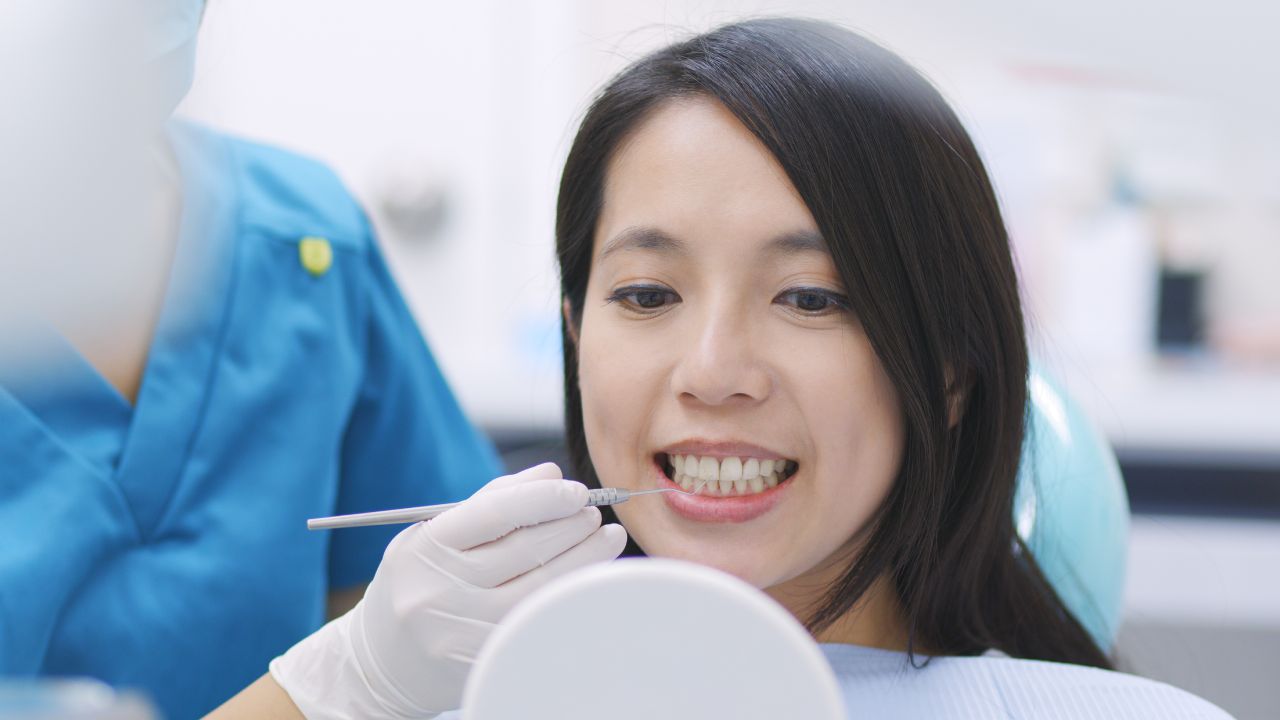
A thorough exam is the starting point for effective preventive care. During a comprehensive dental exam, your dentist is looking far beyond just visible cavities. The goal is to understand the full picture of your oral health, identify risks early, and build a plan that fits you and your family.
Clinical exam of teeth and gums
Your dentist evaluates each tooth for decay, cracks, wear, and existing restorations. They also check your gum health by measuring the depth of the spaces between your teeth and gums and looking for bleeding, swelling, or recession. This is how early or moderate gum disease is detected, often before you notice symptoms yourself.
Many dental problems do not become visible or painful until they are advanced, which is why you should see a dentist regularly even if everything feels fine. Regular exams give your dentist a chance to find and treat problems when they are still small and easier to manage.
Dental X‑rays when needed
Routine X‑rays are an important part of preventive dental care services. They help your dentist see between teeth, under old fillings, and around roots where cavities, infections, and bone loss can hide.
Typically, X‑rays are updated on a schedule that reflects your personal risk and history. Many insurance plans classify routine X‑rays as preventive and cover them fully or partially, although there can be limits on how often they are covered each year.
Screening for gum disease and bone loss
Gum health is just as important as tooth health. Your exam includes a periodontal evaluation to check for gingivitis and periodontitis. Early treatment can often reverse or control these conditions before they lead to tooth loss or more complex care.
If signs of gum disease are present, you may be referred for scaling and root planing treatment or ongoing care with a periodontal therapy dentist. Addressing these issues early can prevent the need for more extensive periodontal or surgical procedures later.
Professional cleanings and why they matter
Even with excellent brushing and flossing, plaque and tartar tend to accumulate in hard‑to‑reach areas. That is where dental cleaning and exam visits come in. Routine cleanings are one of the most effective preventive dental care services you can use.
What your hygienist does during a cleaning
During a professional teeth cleaning, your hygienist:
- Removes plaque and hardened tartar above and below the gumline
- Polishes your teeth to make it harder for new plaque to stick
- Reviews your brushing and flossing techniques and makes suggestions
- Points out early warning signs like bleeding areas or sensitive spots
This process lowers your risk of both cavities and gum disease. Regular dental visits, typically every six months, are recommended for most people. Some individuals who are more prone to cavities or gum problems may need cleanings every three to four months to control oral bacteria more effectively.
How often you should get cleanings
The exact interval depends on your oral health, overall health, and risk factors. Most people do well with twice‑yearly cleanings, but if you have a history of periodontal disease, diabetes, tobacco use, or a high‑sugar diet, you may benefit from more frequent visits.
Your dentist will work with you to set a recall schedule that makes sense for you. Many plans cover two cleanings and exams per year at or near 100 percent, which allows you to get ongoing preventive care with minimal out‑of‑pocket cost.
Deep cleaning and gum disease prevention
If you have signs of gum disease, a standard cleaning is often not enough. In that case, your dentist may recommend a deeper type of cleaning called scaling and root planing.
When you might need a deep cleaning
A deep teeth cleaning dentist focuses on removing plaque, tartar, and bacteria that are trapped below the gumline along the roots of the teeth. You might be a candidate if you have:
- Persistent bad breath
- Red, swollen, or tender gums
- Bleeding when you brush or floss
- Gum pockets deeper than 4 millimeters
- Early bone loss around your teeth
These are signs that gum disease has progressed beyond simple gingivitis. Without treatment, this can lead to loose teeth, infections, and tooth loss.
Scaling, root planing, and periodontal therapy
During scaling and root planing treatment, the hygienist or dentist carefully cleans the root surfaces and smooths them to help the gums reattach. This is often completed in two or more visits and may be paired with local anesthetic for your comfort.
Ongoing care with a periodontal therapy dentist can include more frequent maintenance cleanings, monitoring of pocket depths, and targeted home care instructions. High‑risk patients sometimes need visits every two to six months to keep gum disease under control.
If you have red or bleeding gums that require treatment, addressing these symptoms early is one of the most important steps you can take to protect your long‑term oral health.
Gum disease is largely preventable, and early periodontal therapy can stop or slow damage before it leads to tooth loss and extensive restorative work.
Oral cancer screenings as essential prevention
Oral cancer screening is a critical, often overlooked part of preventive dental care services. During a comprehensive dental exam, your dentist performs an oral cancer screening to look for any unusual changes in your mouth and throat.
What your dentist looks for
Your oral cancer screening dentist examines:
- The lips, tongue, cheeks, and floor of the mouth
- The roof of the mouth and back of the throat
- The gums and around each tooth
- The jaw and neck for unusual lumps or swelling
They look for sores that do not heal, white or red patches, lumps, or changes in texture. Many of these changes are harmless, but some may require monitoring or further evaluation.
Why early detection matters
Like other cancers, oral cancer is more treatable in its early stages. Because many early signs are subtle and not painful, you may not notice them at home. Regular screenings at each routine dental checkup increase the chance that any suspicious changes are found quickly so you can be referred for appropriate follow‑up.
Fluoride treatments to strengthen enamel
Fluoride is a naturally occurring mineral that helps reinforce tooth enamel and makes it more resistant to decay. Professional fluoride is a simple, effective preventive service for both children and adults.
How in‑office fluoride works
A fluoride treatment dentist typically applies fluoride as a gel, foam, or varnish at the end of your cleaning. The fluoride soaks into your enamel and helps:
- Remineralize early weakened areas
- Slow or stop tiny cavities before they require a filling
- Reduce sensitivity in some cases
The American Dental Association recommends brushing with fluoride toothpaste twice daily for at least two minutes and flossing once daily as essential home care practices. Professional fluoride treatments add an extra layer of protection, especially for those at higher risk for cavities.
Who benefits most from fluoride
Topical fluoride is particularly helpful if you:
- Have a history of frequent cavities
- Wear braces or other appliances
- Have dry mouth from medications or health conditions
- Consume a diet high in sugars or acids
- Are a child or teen with developing teeth
Many insurance plans consider fluoride for children a covered preventive benefit and may also cover adult fluoride in some circumstances.
Dental sealants for kids and cavity‑prone adults
Sealants are another powerful preventive option, especially for younger patients. A dental sealants for kids appointment is quick, painless, and can significantly reduce the risk of cavities in the back teeth.
What sealants are and how they protect
Dental sealants are thin, protective coatings that flow into the grooves of the chewing surfaces of molars and premolars. Once hardened, they create a shield that keeps food and bacteria out of these deep pits, where cavities commonly start.
School‑age children without dental sealants have almost three times more cavities than those with sealants. School‑based sealant programs have been shown to produce cost savings that outweigh their operating costs, which highlights just how effective sealants can be as a preventive measure.
Who should consider sealants
Sealants are typically recommended for:
- Children as soon as their permanent molars erupt
- Teens with deep grooves or a history of cavities
- Some adults with high cavity risk or difficult‑to‑clean back teeth
Application is straightforward. The tooth is cleaned, a gentle solution is used to prepare the surface, the sealant is applied, and then it is hardened with a special light. No drilling or numbing is needed.
Custom nightguards to protect your teeth
Grinding or clenching your teeth at night, also called bruxism, can wear down enamel, chip teeth, and strain your jaw joints over time. A custom nightguard for teeth grinding is a preventive appliance that protects your teeth while you sleep.
Signs you might need a nightguard
You may benefit from a nightguard if you notice:
- Morning jaw soreness or tightness
- Frequent headaches upon waking
- Flattened, chipped, or sensitive teeth
- Unexplained fractures in fillings or crowns
Your dentist can check for signs of grinding during your exam. A custom nightguard is made from a scan or impression of your teeth to ensure a comfortable, secure fit.
How nightguards save you from costly repairs
Without protection, grinding can lead to cracked teeth, broken restorations, and the need for crowns or even root canals. By cushioning your bite and distributing forces more evenly, a nightguard often prevents these problems and extends the life of your natural teeth and dental work.
Compared to the potential cost of multiple restorations or TMJ treatment, investing in a properly fitted nightguard is a cost‑effective preventive step.
At‑home habits that support in‑office care
What you do every day between visits has a major impact on how well your preventive dental care services work for you. The combination of consistent home care and professional care is what keeps your smile healthiest.
Daily oral hygiene basics
According to the American Dental Association, you should:
- Brush your teeth twice a day with fluoride toothpaste for at least two minutes
- Floss once per day to clean between the teeth where the brush cannot reach
These basic steps are supported and strongly recommended in current guidance on preventive dental care and oral hygiene.
Choosing products that carry the ADA Seal of Acceptance also helps ensure they have been thoroughly tested for safety and effectiveness. Your dentist can recommend specific tools such as electric toothbrushes, interdental brushes, or rinses based on your needs.
Diet, lifestyle, and overall health
Your diet and habits play a major role in oral health. Limiting sugary snacks and drinks, avoiding tobacco, and moderating alcohol intake all support healthier teeth and gums.
Preventive dental care supports your overall health too. Keeping oral bacteria and infections under control reduces the risk that they will spread into your bloodstream and contribute to systemic conditions such as heart disease and stroke.
The cost of prevention versus repair
One reason people delay dental care is concern about cost. Yet preventive services are consistently shown to be more affordable over time than waiting for problems to become emergencies.
How preventive care saves you money
Many dental insurance plans cover exams, cleanings, and other preventive services at 100 percent, often without deductibles or copays, and sometimes these services do not even count against your annual maximum benefit. Preventive care is highlighted by insurers as one of the best ways to keep overall dental costs down.
By contrast, the national average cost for a routine dental exam with cleaning and X‑rays is around 203 dollars, while emergency dental visits and advanced restorative or surgical treatments can cost many times more. When problems are caught early, they usually require smaller fillings or simple interventions instead of crowns, root canals, or extractions.
Regular checkups and cleanings help you avoid painful crises and the higher costs that come with urgent treatment.
Access and consistency of care
Unfortunately, many adults still live with untreated tooth decay and other oral diseases, often because of financial and access barriers. One report notes that one in four American adults has untreated tooth decay, and lack of dental insurance is a significant barrier to preventive care.
Working with a practice that helps you understand your benefits, plans your care over time, and offers options for budgeting or financing can make consistent preventive care more manageable. This consistency is what allows your dental team to protect your oral health and help you avoid bigger problems.
Partnering with a long‑term preventive care dentist
The most effective preventive dental care services are not one‑time fixes, they are part of a long‑term relationship with a trusted dental team. When you return to the same practice regularly, your dentist and hygienist learn your history, track subtle changes, and adjust your care as your needs change.
At Tilley Family Dentistry, the focus is on being your family’s partner in prevention. That means:
- Thorough comprehensive dental exam visits
- Regular dental cleaning and exam appointments
- Targeted services such as periodontal therapy, oral cancer screening, fluoride, and sealants
- Custom solutions like a custom nightguard for teeth grinding when needed
If you want to avoid costly repairs and keep your smile healthier for life, the most important step you can take is simple. Schedule your next routine dental checkup, stay consistent with your cleanings, and use preventive options like fluoride, sealants, and nightguards when your dentist recommends them. Over time, you will likely spend less, feel better, and maintain a stronger, more confident smile.