
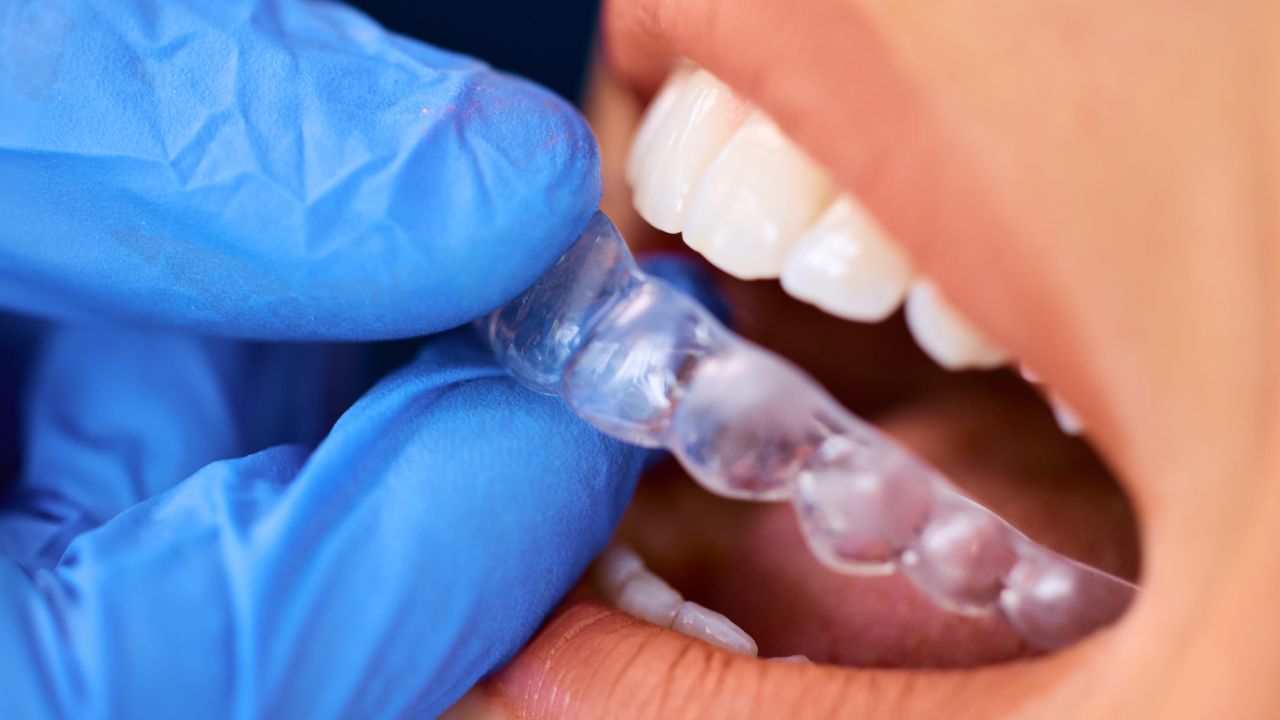
Why a custom nightguard for teeth grinding matters
If you wake up with sore jaws, morning headaches, or teeth that feel sensitive or loose, you may be grinding or clenching your teeth at night. A custom nightguard for teeth grinding can be one of the simplest and most effective tools to protect your smile, support healthy gums, and prevent the need for more extensive dental work later on.
Bruxism, the medical term for teeth grinding and clenching, often happens while you sleep and can put up to hundreds of pounds of force on your teeth. Over time this can lead to enamel wear, fractures, gum problems, and even issues with your jaw joints and muscles. A custom nightguard fits closely over your teeth to absorb and redistribute those forces so your teeth, gums, and jaw joints stay healthier.
As part of your ongoing preventive care, your nightguard works alongside your routine dental checkup, professional teeth cleaning, and gum disease prevention to support your long-term oral health.
How teeth grinding affects your teeth and gums
Nighttime grinding is more than an annoying habit. It can affect nearly every part of your mouth and even your quality of sleep.
Damage to teeth and restorations
When you grind, your teeth slide against each other with significant force. Over time, this can cause:
- Flattened or worn biting surfaces
- Tiny cracks in the enamel
- Chipped or broken teeth
- Loose teeth or shifting bite
- Damage to fillings, crowns, or bridges
Bruxism can erode enamel and even contribute to tooth loss if it is left untreated.
Stress on gums and jaw joints
Grinding does not just affect the teeth. It also puts strain on the tissues that support them.
Constant clenching can:
- Aggravate existing gum inflammation
- Contribute to gum recession in combination with other factors
- Place extra stress on the ligaments and bone that hold teeth in place
Many people with bruxism also notice jaw pain, fatigue, and headaches when they wake up, and some experience jaw locking or limited opening.
Link with TMJ and sleep conditions
In many cases, grinding is connected to temporomandibular disorders (TMD) or jaw joint problems. Clenching and grinding can inflame the joints and muscles, which leads to:
- Facial soreness
- Clicking or popping in the jaw
- Pain with chewing or yawning
Night grinding is also linked with sleep disorders such as sleep apnea, snoring, and disrupted breathing. In some situations, oral appliances that adjust jaw position can help keep the airway more open during sleep.
What a custom nightguard is and how it works
A custom nightguard is a removable oral appliance that you wear while you sleep. It is precision made to fit your teeth and bite, and it serves as a protective barrier between your upper and lower teeth.
Protective barrier and shock absorber
When you clench or grind, the nightguard takes the brunt of the force instead of your teeth and dental work. By placing a smooth, controlled surface between the arches, it:
- Prevents tooth-on-tooth contact
- Distributes pressure more evenly
- Reduces the risk of fractures and chips
- Protects the enamel from accelerated wear
This barrier is the core reason dentists recommend nightguards to prevent long-term damage from bruxism.
Support for jaw joints and muscles
In addition to protecting your teeth, a well-designed nightguard can help position your jaw in a more relaxed and stable posture. That can:
- Ease overworked jaw muscles
- Reduce TMJ joint strain
- Lessen morning jaw pain and stiffness
Patients often report fewer headaches and less jaw discomfort when they wear their nightguard consistently.
Potential benefits for sleep
By limiting intense clenching and grinding, a nightguard can make sleep more comfortable and less disruptive. Some appliances that subtly adjust jaw position can also help keep the airway open and may reduce episodes of obstructive sleep apnea, though this depends on your specific diagnosis and needs.
Custom nightguard vs store-bought options
You can find over-the-counter mouthguards in pharmacies and online, but a custom nightguard from your dentist offers important advantages for both comfort and long-term protection.
Fit, comfort, and safety
Custom nightguards are made from impressions or digital scans of your mouth. That close fit:
- Keeps the guard stable during sleep
- Reduces rubbing or sore spots on gums and cheeks
- Lowers the risk of tooth movement or bite changes
Over-the-counter options, including boil-and-bite styles, are more generic. They can be bulky, may not stay in place, and can sometimes cause tissue irritation or unwanted shifting of teeth, especially with long-term use or in severe bruxism cases.
Online nightguards that rely on self-made impressions can also carry risks. Studies cited by the American Sleep Association and in the British Dental Journal have noted potential issues such as tissue damage, tooth movement, and even choking hazards if the device does not fit properly.
Durability and performance
Professional nightguards use higher quality materials that hold their shape and resist cracking. Many custom guards last several years with consistent wear and proper care.
By contrast, over-the-counter guards often wear through or deform within months, especially if you have strong grinding forces. Once a guard loses its shape, it provides less protection and can become uncomfortable.
Tailored to your dental and gum health
A custom nightguard is designed in the context of your full dental exam. Your dentist considers:
- Existing restorations such as fillings and crowns
- Gum health, pockets, and any history of gum disease treatment
- Bite alignment and TMJ status
- Areas at risk for fracture or mobility
This allows the design, material, and thickness of the guard to be adjusted to your specific needs, from mild clenching to severe grinding with TMJ symptoms.
How a custom nightguard is made
The process for a custom nightguard is straightforward and typically involves two visits.
Step 1: Comprehensive evaluation and impressions
Your dentist starts with a clinical exam and may review X-rays as part of a comprehensive dental exam. During this visit, you and your dentist will discuss:
- Your symptoms, such as jaw pain, headaches, or tooth sensitivity
- Any history of cracked or worn teeth
- Existing gum concerns, such as bleeding or recession, which might also need bleeding gums treatment or periodontal therapy dentist care
If a nightguard is appropriate, the next step is to capture the exact shape of your teeth using dental impressions or digital scanning technology. Those impressions are used to create a precise model of your mouth.
Some offices also use FDA approved digital workflows and 3D printed materials to create accurate, comfortable guards with modern technology.
Step 2: Laboratory fabrication
Your impressions or scans are sent to a dental laboratory. There, technicians fabricate the nightguard by forming soft, dual laminate, or hard acrylic material around your dental model. They adjust the shape and thickness to:
- Ensure full coverage of the intended teeth
- Provide a stable bite surface
- Resist heavy grinding forces while remaining comfortable
This step usually takes up to two weeks, depending on the lab schedule and the complexity of the design.
Step 3: Fit check and adjustments
At your second visit, your dentist will:
- Place the nightguard in your mouth and evaluate how it feels
- Check that it seats securely and does not rock or pinch
- Confirm that your bite is even on the guard surface
Small adjustments are made chairside until the fit is stable and comfortable. This is a critical step for long-term comfort and effectiveness.
You will also receive instructions on how to wear, clean, and store your nightguard, along with a case to keep it hygienic and protected.
Many dentists recommend starting nightguard use early to prevent extensive restorative work later on by protecting enamel from wear, cracks, and loosening caused by grinding forces.
How a nightguard fits into preventive dental care
A custom nightguard is most effective when it is part of a comprehensive preventive plan that protects your teeth and gums at every stage.
Regular exams and professional cleanings
Even with a nightguard, you still need consistent preventive dental care services. During your dental cleaning and exam or professional teeth cleaning, your team will:
- Look for new signs of wear, fractures, or chipping
- Monitor your gum health, including signs of inflammation or pocketing
- Check the condition and fit of your nightguard
If your gums show signs of early or moderate disease, you might benefit from a deep teeth cleaning dentist visit or scaling and root planing treatment to remove bacteria under the gumline and protect the bone that stabilizes your teeth.
Screening for oral cancer and other conditions
Grinding sometimes appears alongside lifestyle factors such as smoking or heavy alcohol use, which also increase oral cancer risk. Regular visits with an oral cancer screening dentist help detect suspicious changes early, when treatment is most effective.
Fluoride, sealants, and family care
Strengthening enamel is another important preventive step. If you are at higher risk for cavities due to dry mouth, past decay, or frequent snacking, a fluoride treatment dentist can help reinforce your enamel and offset some of the wear from grinding.
If you have children, preventive options like dental sealants for kids help protect their back teeth from decay. Starting healthy habits early and maintaining consistent checkups can reduce the risk that they develop bruxism related problems later on.
Insurance and payment options
Many dental insurance plans provide partial coverage for a custom nightguard when it is considered medically necessary, for example when your dentist documents bruxism, TMJ symptoms, or risk of tooth fracture. Coverage and waiting periods vary, so it is important to check with your plan.
You may also be able to use a health savings account or flexible spending account to pay for your appliance, which can reduce your out-of-pocket cost.
Long-term savings
When you compare the cost of a nightguard to:
- Restorations for broken or cracked teeth
- Crowns and possibly root canals
- Treatment for advanced gum or jaw problems
a custom guard often saves both time and money. Preventing damage is more predictable, less invasive, and more comfortable than repairing it.
Caring for your custom nightguard
Proper cleaning and storage will help your nightguard last longer and stay comfortable.
Daily and weekly care
Your dentist will give specific instructions, but in general you should:
- Rinse the guard with cool water after removing it in the morning
- Brush it gently with a soft toothbrush and mild soap or cleanser, not abrasive toothpaste
- Let it air dry completely before placing it in its case
Avoid hot water, which can warp the material. A diluted, non-alcohol antiseptic solution or specialized cleaner can be used occasionally if recommended.
Storage and checkups
Always store your guard in its ventilated case when you are not wearing it. Keep it away from pets, as they are often attracted to the smell.
Bring your nightguard with you to each routine dental checkup. During your exam and cleaning, your dentist can:
- Inspect it for cracks or thinning
- Confirm the fit is still accurate
- Make small adjustments if your bite or restorations have changed
If you notice new soreness, shifting teeth, or visible wear, let your dentist know. A new guard or an adjustment may be needed.
When to talk to your dentist about a nightguard
You should consider asking about a custom nightguard for teeth grinding if you notice any of the following:
- Jaw soreness, tightness, or fatigue in the morning
- Frequent tension headaches or pain near the temples
- Teeth that look shorter, flatter, or more translucent at the edges
- Chipped or cracked teeth that are not explained by injury
- Unexplained tooth sensitivity or loose feeling teeth
- Clicking, popping, or pain in your jaw joints
During your next dental cleaning and exam or comprehensive dental exam, talk openly about your symptoms, stress levels, and sleep quality. Together, you and your dental team can decide whether a custom nightguard, gum and periodontal care, bite adjustments, or other therapies are appropriate for your long-term oral health.
By pairing a well made custom nightguard with consistent preventive visits, cleanings, and gum care, you give yourself a strong foundation for a healthier, more comfortable smile for years to come.
Dentists in coastal regions often recommend custom nightguards for bruxism to provide better fit and protection than over-the-counter options.


