
Why timing matters for your emergency dentist appointment
When you are in severe tooth pain or dealing with a broken tooth, every minute feels longer. Scheduling an emergency dentist appointment quickly is not only about comfort, it is about protecting your teeth and avoiding complications. Knowing what to do, what to say, and where to go can help you get seen faster and avoid long hours in a waiting room.
Certain problems are especially time sensitive. A knocked out tooth needs immediate care, ideally within 30 minutes, to increase the chances of saving it, and you should keep the tooth moist, preferably in milk, if it cannot be reinserted right away. Severe dental pain, facial trauma, and uncontrolled bleeding also require urgent attention to prevent permanent damage.
Understanding what qualifies as a true emergency and how to prepare before you call can dramatically cut your wait time and get you into a same day emergency dentist schedule more efficiently.
Know what counts as a dental emergency
Not every dental problem is an emergency, but delaying care for a real emergency can put your oral health at risk. When you can describe your situation clearly, the office can triage you correctly and often bring you in sooner.
Urgent emergencies that need fast treatment
You should seek an emergency dentist appointment as soon as possible if you have:
- A knocked out tooth
- A broken or cracked tooth with pain or sharp edges
- Strong, persistent toothache that interrupts sleep or daily activities
- Swelling in your face, jaw, or gums, especially with fever
- Bleeding from the mouth that does not slow or stop
- Dental trauma from a fall, accident, or sports injury
A knocked out tooth is especially time sensitive. You must handle it only by the crown, keep it moist, and ideally be treated within 30 minutes to improve the chance of saving it. For serious injuries causing uncontrolled bleeding, severe pain, or suspected broken facial bones, you need immediate attention to prevent infection, tooth mobility, or tooth loss.
If you are dealing with one of these issues, you might need focused services such as broken tooth emergency, cracked tooth emergency dentist, knocked out tooth treatment, or emergency tooth extraction.
When it is urgent but not life threatening
Many problems still need same day or next day appointments even if they do not send you to the hospital. These include:
- Severe toothache without visible trauma
- Gum abscess or pimple like bump on the gums
- Lost filling or crown with discomfort
- Sudden sensitivity that is intense or worsening
For issues like a gum abscess, you should never try to pop or drain it yourself. You need an emergency appointment so it can be treated safely, which may include professional drainage, scaling and root planing, a root canal, or extraction.
If you are experiencing ongoing pain, it is important to schedule a tooth pain relief dentist visit or severe toothache treatment as soon as possible. Prompt care helps prevent permanent damage to your teeth and gums.
Non urgent issues you can schedule later
Some situations feel stressful but usually do not require immediate emergency dentist appointments:
- Small chip in a tooth without pain
- Minor tooth sensitivity that comes and goes
- Lost crown or filling without pain or sharp edges
- Mild gum irritation without swelling or fever
According to guidelines from NorthPointe Family Dental, lost porcelain crowns or fillings that are not causing severe pain can usually be treated during normal business hours and do not require after hours visits.
Even if the problem seems minor, it is still wise to book an immediate dental care appointment within a reasonable time frame so it does not escalate.
Call first and describe symptoms clearly
One of the fastest ways to avoid long waits is to call your dentist before you go anywhere. Walking into an office or emergency room without warning often means you wait behind scheduled patients or other emergencies.
The Cleveland Clinic recommends that your first action in a dental emergency should be to call your dentist for instructions. If it is after hours, there may be an emergency number or a recorded message telling you what to do next. If you do not have a dentist, you may be directed to an urgent care center or emergency room.
When you call, be ready to:
- Explain exactly what happened and when it started
- Rate your pain on a 0 to 10 scale
- Mention any swelling, fever, or trouble swallowing or breathing
- Say if you lost or broke a tooth, filling, or crown
- Share any recent trauma, such as a fall or sports injury
Clear, concise information helps the team decide if you need urgent dental care the same day, and they can often squeeze you into a cancellation slot or adjust their schedule.
Prepare before you contact the office
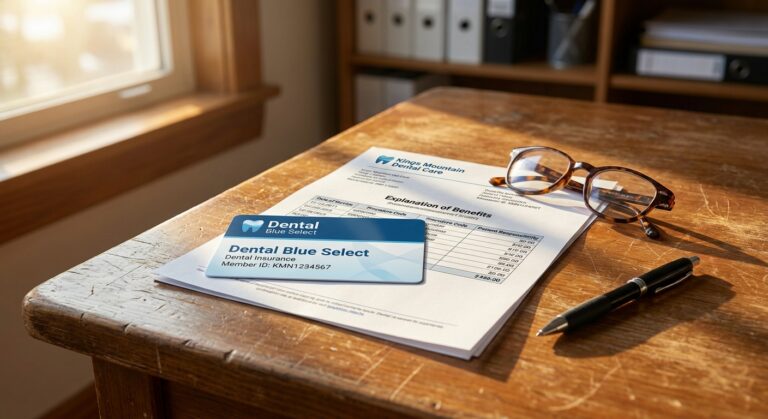
A few minutes of preparation can make your emergency dentist appointment faster, smoother, and more effective. It also helps the staff give you accurate cost estimates and check insurance quickly, which reduces delays when you arrive.
Have this information ready before you pick up the phone:
- Your full name and date of birth
- The name of your dental and medical insurance
- Current medications and important medical conditions
- Any allergies, especially to medications or latex
- A brief timeline of your symptoms or injury
If you can, take clear photos of visible issues, such as a broken tooth, swelling, or a knocked out tooth you have placed in milk or a container. Some offices allow you to text or email images so they can assess urgency and prepare the correct treatment room or equipment.
Use triage to your advantage
Dental offices often triage emergency calls, which means they rank cases by urgency and then fit them into the schedule accordingly. If you can present your situation accurately, you are more likely to be seen quickly.
Be honest about your pain and symptoms
You might feel tempted to exaggerate your symptoms to get in sooner, but this can backfire. If the office expects severe trauma and you arrive with a minor chipped tooth, you may still wait while truly critical patients are treated first.
Describe:
- The exact location of the pain
- What makes it better or worse
- Whether it wakes you at night
- Any swelling or spreading pain into your jaw, ear, or head
If you are dealing with intense tooth pain, let the team know you think you may need infected tooth emergency care or dental abscess treatment. This helps the dentist prepare for possible root canal therapy, drainage, or antibiotics.
Ask about specific emergency time slots
Some offices hold time blocks during the day for emergencies. If you ask directly about these openings, you may be offered a much earlier time. You can say something like:
“I am in severe tooth pain and I think this is an emergency. Do you have any same day emergency slots or cancellations I could take?”
Using the phrase “same day” and “emergency” signals that you are open to flexible timing, which often leads to faster scheduling with a same day emergency dentist.
Choose the right place for your situation
Where you go first matters. The wrong choice can add hours of waiting and still leave you needing a dentist afterward.
Dentist or emergency room
For most dental emergencies, a dentist or urgent dental clinic is your best first call. They can provide definitive care, such as fillings, crowns, extractions, or root canals. Emergency rooms can offer pain relief or antibiotics when a dentist is not available, but they typically do not perform restorative treatments like fillings or crowns.
You should choose an emergency room or urgent care center first if you have:
- Trouble breathing or swallowing
- Uncontrolled bleeding from the mouth
- Suspected broken jaw or facial bones
- Large facial swelling that affects your eye or airway
In those cases, medical stability comes first. Once you are stabilized, you will still need follow up with a dentist for long term treatment.
When to use urgent dental clinics
If your regular dentist is unavailable, look for clinics that specifically offer urgent dental care or advertise immediate dental care appointment options. These practices are structured to handle walk ins and emergencies more efficiently and often offer extended hours.
They are especially helpful if you need:
- Severe toothache treatment
- Broken tooth emergency repair
- Cracked tooth emergency dentist support
- Emergency tooth extraction to relieve pain when a tooth cannot be saved
Choosing a setting designed for urgent needs can significantly reduce your waiting time compared with general clinics that are fully booked with routine cleanings and checkups.
Take smart steps while you wait
Even when you secure a same day emergency dentist appointment, you might still have some waiting time at home or in the office. Using that time wisely can both ease your pain and protect the tooth.
Here are practical steps to manage common emergencies:
- For a knocked out tooth, hold it by the crown, rinse it gently without scrubbing, and if possible, place it back into the socket. If that is not possible, store it in milk or a saline solution and get to the dentist within one hour for the best chance of saving it.
- For severe toothache, gently rinse your mouth with warm water and use dental floss to remove any trapped food. Avoid putting aspirin directly on the tooth or gums.
- For swelling, apply a cold compress to the outside of your cheek in short intervals.
- For a broken or chipped tooth, keep any pieces you can find, rinse them, and bring them to your appointment.
- For an abscess, do not attempt to pop or squeeze it. Keep your mouth clean with gentle saltwater rinses and wait for professional dental abscess treatment.
If over the counter pain relievers are safe for you, they may help until you see the dentist. Always follow package directions and consider your own medical conditions.
Ask for clear expectations when scheduling
To avoid surprises and manage your time well, ask a few specific questions when you book your emergency dentist appointment. This helps you decide if you should go to work, arrange childcare, or adjust other commitments.
You can ask:
- “What is the estimated wait time once I arrive?”
- “Will the dentist be able to treat the problem today or is this mainly an exam and diagnosis visit?”
- “How long should I plan to be in the office?”
- “Is there anything I should avoid eating or drinking before I come in?”
If the office expects that you might need an emergency tooth extraction or more complex treatment, they can prepare consent forms, imaging, and equipment in advance. This preparation often shortens the time from check in to actual treatment.
Know what treatment you may need
Understanding the possible treatments can help you ask better questions and feel more prepared, which often translates to smoother, quicker visits. While only a dentist can diagnose you, some common emergency procedures include:
| Situation | Possible emergency treatments |
|---|---|
| Severe toothache or infected tooth | Antibiotics, nerve treatment, or root canal as part of severe toothache treatment or infected tooth emergency care |
| Broken or cracked tooth | Smoothing sharp edges, bonding, temporary crown, or root canal with cracked tooth emergency dentist services |
| Knocked out tooth | Reimplantation and splinting with knocked out tooth treatment if you arrive quickly |
| Dental abscess | Drainage, antibiotics, cleaning below the gumline, root canal, or extraction through dental abscess treatment |
| Non restorable tooth | Emergency tooth extraction to relieve pain and prevent infection |
Knowing what might happen in the chair helps you give informed consent rapidly and avoid delays caused by uncertainty or surprise.
Plan for payment to prevent delays
Payment issues can slow down check in, especially at urgent visits when you are already stressed. A few simple steps can keep your focus on getting care, not paperwork.
Before you go, check:
- Whether the office accepts your dental insurance
- If they offer payment plans or financing for emergency care
- Your available credit or funds for copays or out of pocket costs
When you call for your emergency dentist appointment, you can also ask for a rough cost range for exam, X rays, and common emergency treatments. While exact numbers may change based on findings, having a ballpark figure helps you decide on payment options in advance.
Follow up promptly to avoid another emergency
Fast treatment is only part of avoiding long waits and bigger problems in the future. Skipping follow up care can send you right back into another emergency appointment.
If your dentist stabilizes your tooth with a temporary filling, medication, or drainage, schedule the recommended next visit before you leave the office. This might be for:
- Final root canal and permanent restoration
- Crown placement after a large fracture
- Continued care for gum infection or abscess
- Evaluation for replacement options after extraction
If you complete the full treatment plan, you reduce the chances that the same tooth will flare up again and require more urgent care later. Regular checkups and cleanings also allow your dentist to catch small problems early, often before they turn into emergencies that disrupt your day.
Taking control of your emergency visit
You cannot always avoid dental emergencies, but you can control how you respond. When you recognize which situations are urgent, call ahead, choose the right setting, and prepare basic information, you help the dental team move quickly from check in to treatment.
Whether you need tooth pain relief dentist care for sudden pain, broken tooth emergency repair after an accident, or dental abscess treatment for swelling and infection, a prompt emergency dentist appointment can protect your health and bring meaningful relief. By using these strategies, you shorten wait times and give yourself the best chance at saving your teeth and restoring comfort as soon as possible.