Understanding how long veneers last
If you are considering cosmetic dentistry to improve your smile, it is natural to ask, how long do veneers last and when might you need to replace them. Veneers are a long term investment in your appearance and confidence, so understanding their lifespan helps you choose the right option and take care of your results.
Veneers are thin shells that bond to the front of your teeth to change color, shape, length, or alignment. They can be part of a subtle enhancement or a complete smile transformation. How long they last depends on the material, your habits, and how well you care for them.
Typical lifespan of porcelain vs composite veneers
Not all veneers are the same. The material your dentist uses plays a major role in how long your veneers last before you need replacement.
Porcelain veneers lifespan
Porcelain veneers are often considered the gold standard in cosmetic dentistry for both durability and appearance. Multiple dental sources agree that with proper care:
- Porcelain veneers typically last about 10 to 15 years, and in many cases even longer
(Dentistry at Renton,
drrobsmiles.com) - Some can exceed 15 years, thanks to their strong ceramic material and high resistance to staining
Porcelain is highly resistant to discoloration from coffee, tea, and wine. It also mimics natural enamel in the way it reflects light, which is why many people choose natural looking veneers in porcelain when they want a long lasting, realistic result.
Composite veneers lifespan
Composite veneers are made from a tooth colored resin material that is layered and shaped directly on your teeth. They usually:
- Last about 5 to 7 years with good care
(Dentistry at Renton,
Chandler Park Dental Care,
drrobsmiles.com)
Composite veneers are less durable and more prone to staining and chipping than porcelain. On the other hand, they are usually more affordable, can often be completed in a single visit, and are easier to repair or touch up. If you are exploring whether veneers or bonding are better for you, reviewing veneers vs bonding can be helpful.
Quick comparison of veneer longevity
| Veneer type | Typical lifespan with good care | Stain resistance | Repairability |
|---|---|---|---|
| Porcelain veneers | 10 to 15+ years | High | More complex, may replace |
| Composite veneers | 5 to 7 years | Moderate to low | Easier to repair or polish |
Both porcelain and composite veneers are designed to be long lasting, but none of them last forever. Eventually, you will likely need replacement due to normal wear or changes in your teeth
(drrobsmiles.com).
Factors that affect how long your veneers last
Even with the same material, veneer longevity can vary significantly from person to person. Several key factors influence how long your veneers stay intact and attractive.
Oral hygiene habits
Your veneers rely on the health of the tooth and gums underneath. Daily care is essential:
- Brushing gently twice a day with a non abrasive toothpaste
- Flossing carefully around the veneers
- Keeping up with regular dental checkups and cleanings
Consistent hygiene helps prevent decay around the edges of your veneers and reduces gum inflammation that can affect their fit and appearance
(American Family Dentistry,
Dentistry at Renton).
Eating and drinking habits
What and how you eat makes a difference in how long veneers last.
Hard foods like ice, unpopped popcorn kernels, or hard candies can chip veneers, especially composite ones. Very sticky foods increase the risk of pulling on the veneer edges. Frequent consumption of staining foods and drinks such as coffee, tea, red wine, or dark sauces may not stain porcelain easily, but can discolor composite veneers more quickly
(American Family Dentistry).
Limiting these items, rinsing with water after consuming them, and avoiding using your teeth as tools all help protect your veneers.
Teeth grinding and clenching
Grinding or clenching your teeth, especially at night, places significant pressure on veneers and can lead to chips, cracks, or loosened restorations
(American Family Dentistry,
Dentistry at Renton).
If you have bruxism, your dentist will often recommend a custom nightguard. Wearing it consistently is one of the most effective ways to extend the life of your veneers.
Everyday habits and “micro damage”
Seemingly small habits can shorten the lifespan of your veneers over time. You can protect your smile by avoiding:
- Biting on pens, fingernails, or ice
- Using your teeth to open packages or bottles
- Chewing very hard objects out of stress or boredom
These behaviors increase the risk of chips and cracks in both porcelain and composite veneers
(American Family Dentistry,
Dentistry at Renton).
Age and natural wear
Over time, normal biting and chewing gradually wear on veneers just as they do on natural teeth. Your gums may also recede slightly with age, which can change the way your veneers look and fit
(American Family Dentistry).
Even with excellent care, you should plan for the possibility of veneer replacement after 10 to 15 years for porcelain or sooner for composite
(drrobsmiles.com).
Daily care to extend veneer longevity
You cannot control every factor, but you can significantly influence how long your veneers last with consistent, simple habits.
Build a veneer friendly home care routine
For both porcelain and composite veneers, most dentists recommend:
- Brushing gently twice a day with a soft bristle brush
- Choosing non abrasive toothpaste so you do not scratch the surface
- Flossing once a day, taking care near the edges of the veneers
- Rinsing with water after consuming staining foods or drinks
This kind of routine helps preserve both the veneer material and the health of the teeth and gums underneath
(Dentistry at Renton).
If you are trying to improve tooth color before choosing veneers, you might also consider in office teeth whitening or professional teeth whitening as part of your cosmetic plan.
Make smart choices with food and drink
You do not have to give up every favorite food, but some adjustments will help your veneers last longer.
You will want to:
- Cut very hard foods into smaller pieces so you do not bite into them with veneer covered front teeth
- Limit sticky candies that pull on restorations
- Moderate highly pigmented drinks, especially if you have composite veneers
- Drink staining beverages through a straw when possible, and rinse with water afterward
These small choices reduce unnecessary stress and staining on your veneers over time
(American Family Dentistry).
Protect your veneers from grinding
If you know you clench or grind your teeth at night, ask your dentist about a custom nightguard. Wearing one regularly can dramatically lower the risk of cracks and chips in your veneers
(Dentistry at Renton).
Even if you are not aware of grinding, your dentist may see signs on your teeth. Listening to that guidance is important if you want your veneers to last closer to the upper end of their lifespan.
Stay consistent with professional checkups
Regular dental visits allow your dentist to:
- Check the fit and edges of your veneers
- Look for early signs of decay near the margins
- Polish away minor surface stains, especially on composite veneers
- Adjust your bite if any tooth contacts are putting extra stress on a veneer
Early detection of small issues often means simpler, less costly repairs and a longer lifespan for your veneers overall
(Dentistry at Renton).
Signs your veneers may need repair or replacement
Veneers do not suddenly fail in most cases. Instead, they show subtle changes over time. Knowing what to watch for helps you schedule care before small problems become major.
Visible damage on the veneer surface
Common changes you might notice include:
- Chips or cracks on the edges or surface of a veneer
- A rough or jagged feeling when you run your tongue across a tooth
- Small fractures that catch the light differently when you smile
These are classic signs that your veneers may need repair or replacement
(American Family Dentistry,
drrobsmiles.com).
Composite veneers can often be smoothed or rebuilt in the office, while porcelain may require fabricating a new veneer if the damage is significant.
Stains or discoloration that do not improve
Some surface stains can be polished away, especially on composite. However, you should contact your dentist if you notice:
- Dark lines at the edges of the veneers
- Yellowing or discoloration that professional polishing does not remove
- Color mismatch between a veneer and the surrounding teeth
When stains or discoloration cannot be polished away, replacement may be necessary
(American Family Dentistry,
drrobsmiles.com).
You can also maintain a bright, even shade across your smile by integrating brighten yellow teeth treatment or whitening for your non veneered teeth as part of your long term plan.
Loose, lifted, or detached veneers
If a veneer begins to loosen, you might feel:
- A slight movement when you press on the tooth
- Food catching more easily along the edge
- A change in the way your bite feels
This is a sign that the bond between the veneer and tooth may be failing. In some cases, your dentist can rebond a veneer if the tooth underneath is still healthy. In other cases, replacement is the safer choice
(American Family Dentistry).
Gum changes around the veneer
Gum recession or inflammation around a veneered tooth might indicate:
- A margin that is no longer sealed well
- Plaque build up due to difficult to clean areas
- Natural age related gum changes that expose more of the tooth
If you notice darker edges near the gumline or increasing sensitivity in the area, it is important to have your veneers and underlying teeth evaluated
(American Family Dentistry).
If you see cracks, persistent discoloration, looseness, or gum changes near your veneers, it is usually time to talk with your dentist about repair or replacement.
What happens when veneers need replacing
Knowing what to expect when it is time to replace veneers can make the process feel more manageable and help you plan ahead.
Veneers are a long term commitment
To place veneers, your dentist typically removes a small amount of enamel from the front of your teeth. This step is usually irreversible, which means that once you choose veneers, your teeth will always need some type of bonded restoration (Dentistry at Renton).
Because of this, it helps to think of veneers as a long term investment rather than a one time procedure. You are choosing to maintain your veneers, and occasionally replace them, as part of your ongoing dental care.
The veneer replacement process
If your dentist determines that replacement is the best option, you can expect a process similar to your original veneer treatment:
- Evaluation and planning
Your dentist examines your existing veneers, underlying teeth, bite, and gum health. This is a good time to discuss any changes you want in color, shape, or alignment, especially if you are considering a broader complete smile transformation. - Removing old veneers
The old veneers and any residual bonding material are carefully removed. The tooth surface is cleaned and prepared. - Taking new impressions or scans
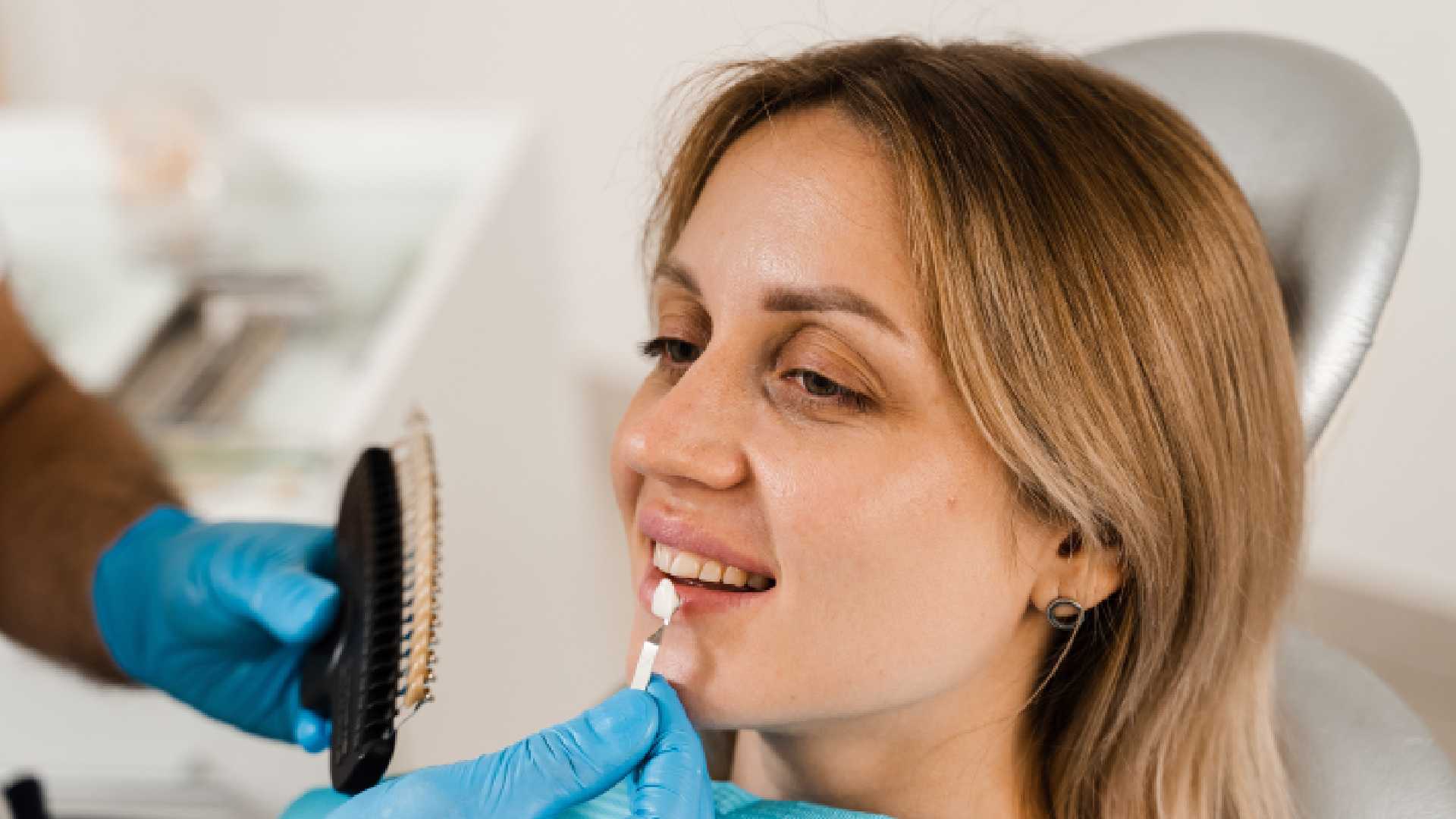
Digital scans or impressions are taken so the dental lab can create your new veneers. At this point, you may also review shade selection to match your whitening goals or surrounding teeth. - Wearing temporary veneers if needed
Temporary veneers may be placed to protect your teeth and preview the shape of your new smile while the lab fabricates your final restorations. - Bonding the new veneers
At your placement visit, your dentist checks the fit and aesthetics, makes fine adjustments, then bonds the new veneers securely in place.
If you are just beginning to explore your cosmetic options, a cosmetic dentist consultation is often the first step. This is where you can review timelines, costs, and how veneers compare to other treatments.
Veneers vs other cosmetic options and longevity
Veneers are one of several cosmetic dentistry tools that can enhance your smile and confidence. Looking at how long veneers last compared with other treatments can help you decide what fits your goals.
Veneers and teeth whitening
If your main concern is color, you might start with whitening before committing to veneers.
- In office teeth whitening and professional teeth whitening can brighten your natural enamel in a single visit or over a series of treatments.
- Results typically last months to a few years, depending on your diet and habits, and can be maintained with touch ups.
Whitening does not change tooth shape or correct chips and gaps, so veneers may still be recommended if you want a complete change in size, symmetry, or alignment. Many people whiten the teeth that will not receive veneers first, then match the veneer shade to that brighter color.
Veneers versus bonding and contouring
For small cosmetic concerns, your dentist might suggest more conservative options like:
- Cosmetic dental bonding, which uses tooth colored resin to fix chips, close small gaps, or reshape teeth
- A teeth contouring procedure, which reshapes the edges of teeth by removing small amounts of enamel
Bonding and contouring can be very effective for targeted changes. However, bonding and composite materials do not usually last as long as porcelain veneers and can be more prone to staining and wear. If you are weighing your options, your dentist can explain how longevity, cost, and cosmetic impact compare for your specific situation.
Veneers as part of a smile makeover
If you want more comprehensive changes to color, shape, and alignment across many teeth, veneers are often a central part of a larger plan coordinated by a smile makeover dentist. Your treatment might combine:
- Whitening for non veneered teeth
- Veneers for the most visible teeth in your smile line
- Select bonding or contouring to fine tune the final look
This kind of personalized plan aims for natural looking, long lasting results that support both your appearance and your confidence.
Planning your veneers to last
Ultimately, how long your veneers last comes down to three main elements: the material you choose, the skill of your porcelain veneers dentist or cosmetic provider, and how you care for your smile from day to day.
If you are already wearing veneers, regular checkups and attentive home care will help you get the most years possible before replacement. If you are still exploring your options, a personalized cosmetic dentist consultation can help you decide whether porcelain or composite veneers, whitening, bonding, or a combination of treatments is the best way to achieve a bright, natural looking smile that lasts.