
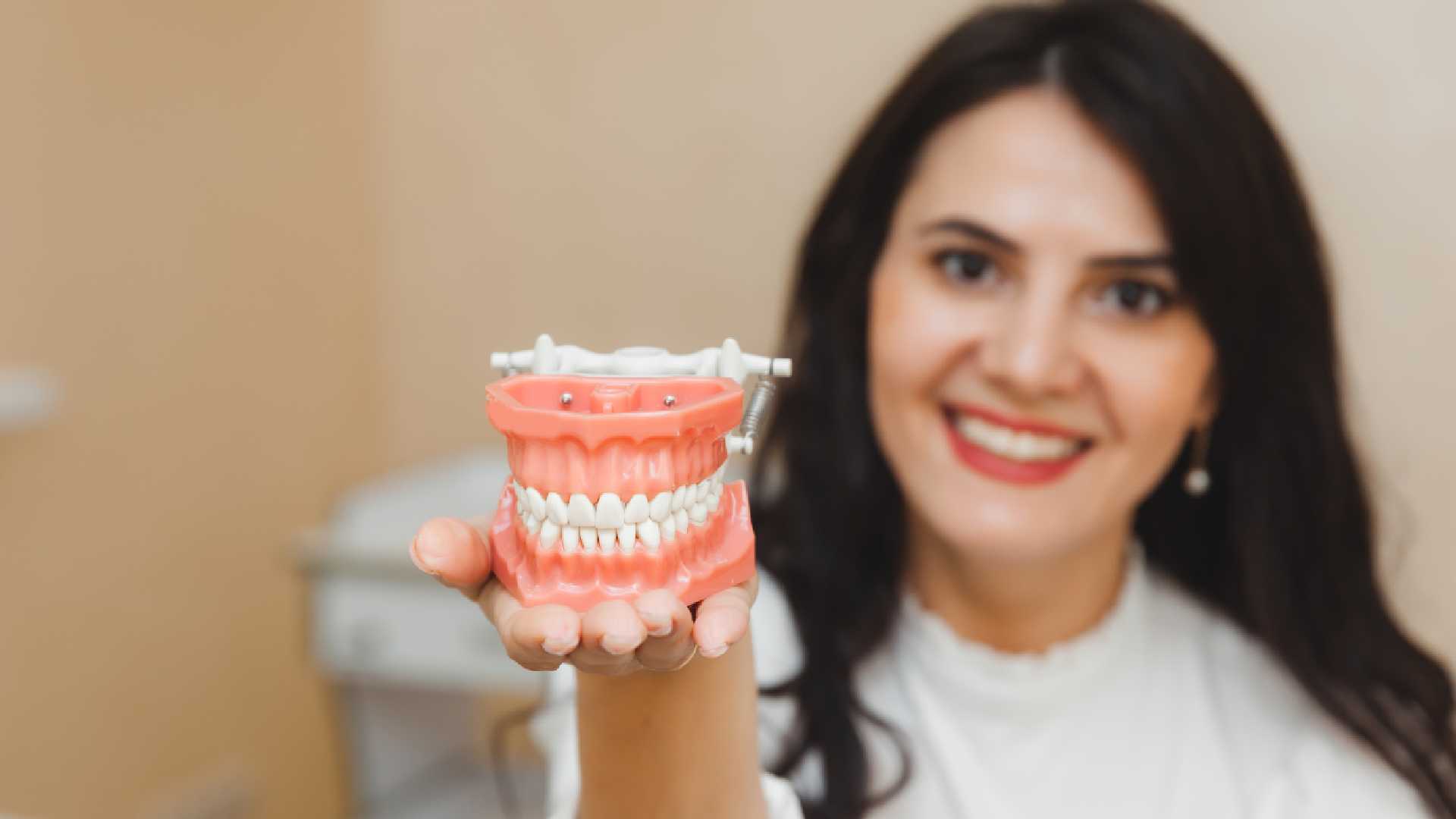
Understanding long term tooth replacement
If you are missing one or more teeth, long term tooth replacement is about more than just filling a gap in your smile. It affects how well you chew, how clearly you speak, and how confident you feel in social situations. It also has a direct impact on the health of your jawbone and the teeth you still have.
Modern long term tooth replacement options focus on stability, durability, and preserving your oral health over many years. The main choices include:
- Dental implants and single tooth dental implant solutions
- Multiple tooth implants and full arch implant bridges
- Implant supported dentures
- Traditional complete and partial dentures
Understanding how each option works and how long it is designed to last helps you make a smart, cost effective investment in your health.
Why replacing missing teeth matters
Leaving a missing tooth untreated can seem harmless at first, especially if it is not in your front smile. Over time, however, tooth loss can trigger a series of changes that affect your entire mouth.
Changes in appearance and confidence
Missing teeth can cause your cheeks and lips to lose support. As the years pass, you may notice:
- A more sunken or aged facial appearance
- Wrinkles forming around the mouth
- Less confidence when smiling, laughing, or speaking
A stable long term tooth replacement restores that support so your face looks fuller and more natural.
Impact on chewing and nutrition
When you cannot chew comfortably on both sides, you may start favoring softer, easier foods. This can limit fruits, vegetables, and proteins that require more chewing. Dental implants and implant supported options help restore biting power so you can enjoy a wider variety of foods again and maintain better overall nutrition. Implant-supported dentures can restore about 50 percent of natural chewing function, while full arch implant bridges can reach up to 90 percent, compared to roughly 25 percent with traditional dentures.
Jawbone loss and shifting teeth
Your natural tooth roots stimulate your jawbone every time you bite and chew. When a tooth is lost, that stimulation stops in that area and the bone gradually shrinks. Traditional dentures rest on the gums and do not prevent this bone loss, while dental implants vs dentures comparisons consistently show that implants help maintain jawbone density because they act like artificial roots in the bone.
As bone shrinks and the bite changes, nearby teeth can tilt or shift into the empty space. This creates new gaps, crowding, and bite problems that are more difficult and costly to fix later.
Investing in a stable, long term tooth replacement can stop or slow many of these changes before they become serious.
Main options for long term tooth replacement
You have several ways to replace missing teeth permanently or semi permanently, depending on your goals, budget, and health. Each option has advantages and trade offs.
Dental implants and single teeth
A dental implant is a small, biocompatible titanium post that is surgically placed into your jawbone. The bone grows around it in a process called osseointegration, which can take three to nine months depending on your healing rate. Once healed, the implant acts like a new root that can support a crown, bridge, or denture.
For a single missing tooth, a single tooth dental implant is often considered the gold standard long term tooth replacement. It preserves the adjacent teeth because they do not need to be shaved down for a bridge, and it helps protect the surrounding bone.
Multiple tooth implants and bridges
If you are missing several teeth in a row, multiple tooth implants can support a bridge without depending on your remaining natural teeth for support. This can be especially helpful if the neighboring teeth are healthy and you want to keep them intact.
For extensive tooth loss, full arch implant bridges, often called All on 4 or All on 6, secure a complete row of teeth to a few precisely placed implants. These full arch solutions provide excellent chewing power and are designed to last for decades with proper care, while also helping maintain jawbone volume.
Implant supported dentures
Implant supported dentures, also called overdentures or hybrid dentures, are a long term option if you are missing most or all of your teeth. Several implants are placed in your jaw, and a denture is then attached to them.
Compared to traditional dentures, implant supported dentures:
- Greatly improve stability and reduce slipping
- Restore significantly more chewing force
- Help preserve jawbone over time
- Often last many years longer than conventional dentures, which typically need replacement every 5 to 10 years
If you already wear loose dentures, choosing to secure dentures with implants can be a powerful upgrade in comfort and confidence.
Traditional complete and partial dentures
Conventional dentures are removable appliances that sit on your gums. A complete dentures dentist can provide a full upper or lower arch, while a partial dentures dentist can replace several missing teeth while clipping to the remaining teeth.
These options are usually more affordable upfront, but they:
- Do not prevent bone loss in the jaw
- Often need frequent relines or remakes as your gums and bones change
- Provide less chewing efficiency than implant based solutions
If you are comparing all of your choices, reviewing the best option for missing teeth for your situation is an important step.
How long different tooth replacements last
When you look at long term tooth replacement, it helps to think in terms of both the initial lifespan and the ongoing maintenance or replacement cycle.
| Option | Typical functional lifespan with good care | Key notes |
|---|---|---|
| Implant titanium post | Often designed to last a lifetime | Can remain in place indefinitely with healthy bone and gums |
| Implant crown / bridge | About 10 to 15 years, sometimes up to 20 to 25 | May need replacement due to wear, fracture, or cosmetic changes |
| Traditional tooth supported bridge | Around 10 to 15 years | Relies on and alters neighboring teeth |
| Complete or partial dentures | About 5 to 10 years | Need replacement as jawbone shrinks and fit changes |
Studies suggest that, with proper care, many dental implants can function for decades. One review found long term survival rates of about 95 percent for single unit implants and 94 percent for endodontically treated teeth over six years, indicating similar longevity between implants and natural teeth that have had root canal treatment. Another 20 year follow up on rough surfaced implants reported an 89.5 percent survival rate.
In other words, when you choose implants, you are investing in a solution that is expected to serve you for the long haul.
Why implants are a smart long term investment
Dental implants and implant supported options often cost more upfront than a traditional bridge or denture. However, several factors make them a smart financial and health investment over time.
Lifetime design and durability
The titanium post of a dental implant is engineered to last a lifetime when properly placed and maintained. The visible crown or bridge on top may need periodic replacement every 10 to 15 years due to normal wear, similar to any restoration, but the underlying implant can often remain intact.
This means that once the implant is integrated with the jawbone, you are unlikely to need the entire procedure redone unless there is trauma or severe infection. Crowns made from high quality porcelain or ceramic can last up to 25 years with excellent care, providing very long term function and appearance.
Long term cost effectiveness
Although initial implant costs are higher, multiple analyses have found that dental implants become more cost effective than bridges or dentures over a span of 20 to 25 years when you factor in replacement cycles and maintenance. Bridges usually need to be replaced every 10 to 15 years, and traditional dentures every 5 to 10 years. Each replacement involves new lab work, appointments, and materials.
Implants tend to require fewer complete replacements and less ongoing adjustment. They also help you avoid future problems, such as bone loss or damage to neighboring teeth, which can add further costs.
Preserving existing teeth and bone
Unlike traditional bridges, implants do not require shaping down the enamel of healthy adjacent teeth. This preserves more of your natural tooth structure and reduces the risk of future decay or root canal treatment on those teeth.
By integrating into the jawbone, implants also help keep the bone active and strong, reducing the sunken facial look that often develops after many years with standard dentures. This preservation has both cosmetic and functional benefits.
Everyday quality of life
There is also the value of day to day comfort. Implants feel secure when you talk and eat. You do not need adhesive, and you are less likely to worry about slipping, sore spots, or difficulty eating tougher foods. That everyday peace of mind is a major part of why many people see long term tooth replacement with implants as an investment in their overall quality of life.
What to expect from the implant process
If you are considering the dental implants procedure, it is important to know that it is a process that unfolds over several months. Planning ahead helps align your expectations with the treatment timeline.
Treatment steps and healing time
In many cases, your journey includes:
- Consultation and planning, including X rays or 3D scans
- Any necessary extractions, bone grafting, or sinus lift surgery
- Placement of the implant into the jawbone
- Healing period for osseointegration, often 3 to 9 months
- Placement of the abutment and final crown, bridge, or denture
Your individual tooth implant recovery time depends on how quickly you heal, whether grafting was needed, and your overall health.
Candidacy and health conditions
Not everyone is an immediate candidate for long term tooth replacement with implants. Factors that affect success include:
- Adequate jawbone volume and density
- Control of systemic conditions such as diabetes
- Non smoking status or willingness to quit
- Good oral hygiene habits and commitment to follow up care
If there has been significant bone loss, additional procedures like bone grafting or sinus lifts may be needed before implants can be placed. These help rebuild support for the implant, but they do add time and cost to the treatment plan.
Understanding possible complications
When properly planned and maintained, implants have high long term success rates. However, like any treatment, there are potential complications. These can include:
- Infection around the implant, known as peri implantitis
- Loosening of the implant due to trauma or overload
- Issues with the screws or prosthetic components
Some research has found that about 9.7 percent of single unit implants may show signs of peri implantitis within five years, and around 12.7 percent experience screw loosening. Following your dentist’s care instructions and attending regular checkups significantly lowers these risks.
Caring for long term tooth replacements
Whether you choose implants, bridges, or dentures, your daily care has a direct impact on how long your restoration lasts.
Everyday home care
For implants and natural teeth, recommendations typically include:
- Brushing at least twice a day with a soft brush
- Cleaning between teeth and around implants daily with floss or interdental brushes
- Using an alcohol free antimicrobial mouthwash if recommended
- Avoiding chewing on very hard objects such as ice or pens
If you smoke, quitting is one of the most important steps you can take to improve implant longevity and gum health. Tobacco use is linked to higher complication rates and shorter implant survival.
Professional visits and maintenance
Regular dental visits are essential, even when you have artificial teeth. At these appointments your dentist can:
- Monitor the health of your gums and bone
- Check that your bite is balanced
- Tighten or adjust screws and components on implant restorations
- Reline or adjust dentures as your mouth changes
Consistent professional maintenance allows your provider to catch small issues before they become major problems. This is a key reason why many implants and implant supported dentures can last for decades.
Choosing the best long term solution for you
There is no single long term tooth replacement that is perfect for everyone. Your ideal choice depends on:
- How many teeth you are missing
- The health of your remaining teeth and gums
- The condition of your jawbone
- Your budget and insurance coverage
- Your expectations for stability, comfort, and appearance
If you want a permanent, highly stable solution and you are a good medical candidate, implants or implant supported dentures often provide the best balance of longevity, function, and natural feel. If surgery is not right for you at this time, a complete dentures dentist or partial dentures dentist can still restore your smile and chewing ability, with the understanding that these options may need more frequent updates.
Exploring the best option for missing teeth with your dentist, along with a clear discussion of costs, timelines, and maintenance, helps you make a fully informed decision.
By focusing on long term tooth replacement instead of short term fixes, you give yourself a stronger, more confident smile that can support you for many years to come.