
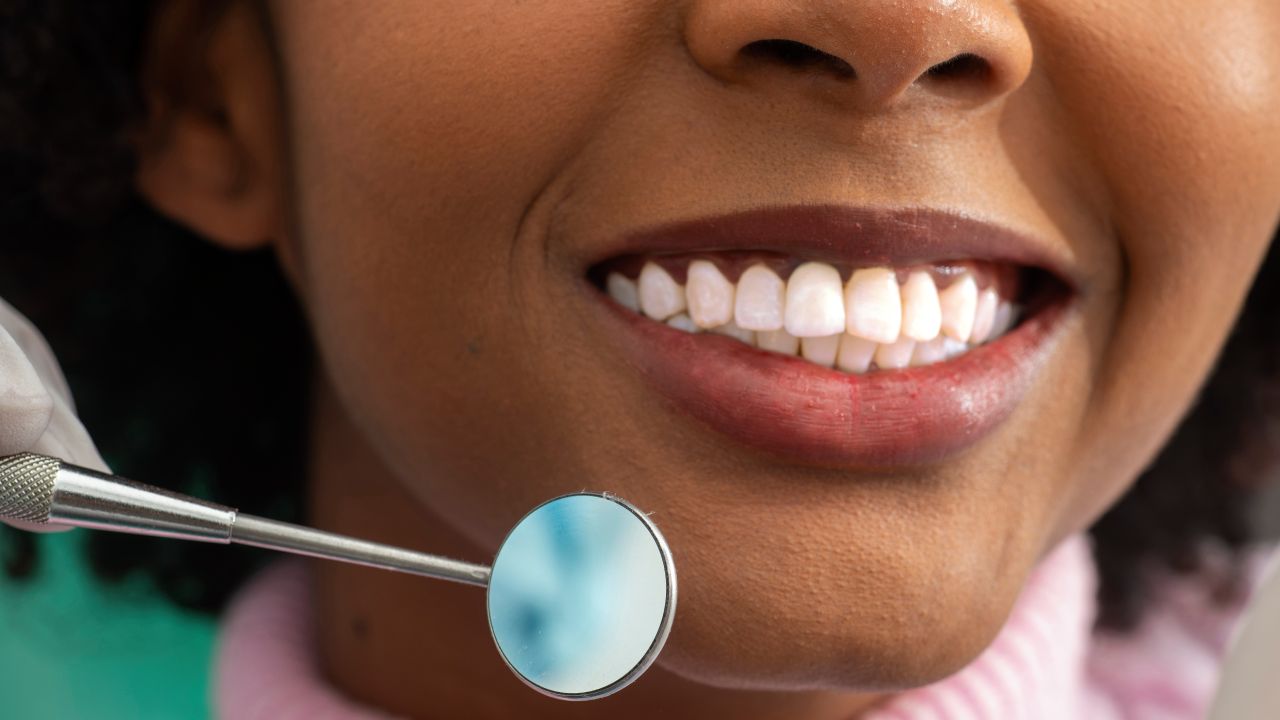
What is professional teeth cleaning?
Professional teeth cleaning is a preventive dental treatment that removes bacteria, plaque, and hardened tartar from your teeth, including areas you simply cannot reach at home with a toothbrush and floss. A dentist or dental hygienist uses special instruments to clean your teeth thoroughly and help keep your gums healthy and your smile bright.
During a typical dental cleaning and exam, you not only get a professional teeth cleaning, you also receive an oral health evaluation, screening for gum disease and oral cancer, and personalized recommendations to protect your teeth between visits. Over time, these routine cleanings form the foundation of your long-term oral health plan.
Why professional cleanings matter
At first glance, professional teeth cleaning might feel like something you can skip if you already brush and floss daily. In reality, cleanings play a different role than home care and help prevent small problems from turning into bigger, more expensive ones.
What brushing cannot do
Daily brushing and flossing are essential, but they have limits. Sticky plaque can harden into tartar that bonds to the enamel and collects around the gumline. Once tartar forms, no amount of home brushing can remove it. Only a professional cleaning that uses scalers and ultrasonic tools can break that buildup away from your teeth.
When tartar remains along your gums, it traps bacteria, increases inflammation, and gradually damages the tissues that support your teeth. Professional cleanings are designed to interrupt this process before it leads to cavities or gum disease.
Benefits for your gums and health
Regular professional dental cleanings are recommended to reduce your risk of gum disease and cavities and to help maintain a healthy, fresh smile. They also support your overall health. Poor oral health has been linked with heart problems, complications in pregnancy, and chronic inflammatory conditions, which is why staying current with cleanings is considered a part of whole-body wellness.
Cleanings also give your dentist the chance to spot subtle changes early. That early detection is what allows for simple, conservative gum disease treatment instead of more invasive procedures later on.
How often you should schedule cleanings
You have likely heard the traditional advice to schedule a dental cleaning every six months. That interval is still appropriate for many people, but your ideal schedule should be personalized.
General recommendations
For most adults with average risk, professional dental cleanings twice a year are commonly recommended to keep plaque and tartar under control and to allow for regular monitoring of your teeth and gums.
Some research suggests that once a year may be sufficient for people who have very low risk and no underlying health conditions such as diabetes or heart disease. You and your dentist can decide together what cadence makes sense for you.
When you may need more frequent visits
You may benefit from cleanings every 3 to 4 months if you:
- Have a history of gum disease
- Smoke or vape
- Have diabetes, heart disease, or a weakened immune system
- Notice frequent bleeding gums or bad breath
- Have a lot of tartar buildup between visits
If you are already being treated for gum disease, your dentist might place you on a periodontal maintenance schedule and see you more often through a periodontal therapy dentist to protect the improvements you have made.
Types of dental cleanings
Not every professional teeth cleaning is the same. The type of cleaning you receive depends on your gum health, tartar buildup, and whether you have active periodontal disease.
| Type of cleaning | What it is for | Typical visit length* |
|---|---|---|
| Routine or prophylaxis cleaning | Healthy gums or mild gingivitis | 30 to 60 minutes |
| Scaling and root planing (deep cleaning) | Active gum disease, deep pockets | 60+ minutes, often in 2 visits |
| Periodontal maintenance | Ongoing care after gum treatment | 45 to 60 minutes |
| Gross debridement | Very heavy tartar before detailed exam | Varies by severity |
*Approximate ranges based on published guidance.
Routine professional cleaning
A routine or prophylaxis cleaning is what you receive when your gums are generally healthy and there is a normal amount of plaque and tartar. This is the standard routine dental checkup appointment most adults are familiar with.
The goal is to remove soft plaque and hard deposits from above the gums, polish away surface stains, and keep your mouth stable so more advanced treatment is not needed.
Deep cleaning for gum disease
If you have signs of gum disease, your dentist may recommend scaling and root planing, often called a deep cleaning. This treatment removes tartar from below the gumline and smooths the root surfaces to help your gums reattach and heal. It is more involved than a routine cleaning and may require local anesthesia, multiple visits, and a more structured follow up.
If your dentist has already identified periodontal pockets or bone loss, ask about your options with a deep teeth cleaning dentist or targeted scaling and root planing treatment.
What happens during a professional cleaning
Knowing what to expect can make your visit more comfortable and predictable. A professional teeth cleaning usually follows a series of steps, with some variation based on your needs.
Step 1: Initial oral exam
Your hygienist starts with a brief exam, often using a small mirror to inspect your gums, teeth, and existing restorations. If anything looks concerning, such as significant decay or signs of infection, the dentist may be called in before the cleaning continues.
At many visits, you may also receive a comprehensive dental exam at scheduled intervals, which can include X‑rays, bite and jaw assessment, and a closer look at any teeth that are giving you trouble.
Step 2: Plaque and tartar removal (scaling)
Next, the actual cleaning begins. Your hygienist uses an ultrasonic scaler and fine hand instruments to gently break up tartar on and between your teeth and along the gumline. The instruments are designed to reach spots your toothbrush cannot access.
You may hear scraping or feel pressure as the buildup comes off. If you are sensitive in certain areas, let your hygienist know so they can adjust techniques or apply a desensitizing product.
Step 3: Polishing
When the tartar has been removed, your teeth are polished with a special paste and a soft rubber cup or brush on a handpiece. The paste is intentionally slightly gritty so it can smooth the enamel and remove remaining film and surface stains. Many offices let you choose a flavor for this step.
Polishing also leaves your teeth feeling very smooth, which makes it harder for plaque to stick in the short term.
Step 4: Flossing and final check
Your hygienist finishes by flossing between each tooth. This removes remaining debris and helps identify any areas where your gums bleed more easily, which can be an early sign of gum inflammation or gum disease.
Your dentist then typically performs a final check, reviews any findings, and talks with you about next steps, such as bleeding gums treatment if needed.
Step 5: Preventive add ons
Depending on your age and risk level, your dentist may recommend additional preventive services during the same visit, such as:
- An oral cancer screening dentist exam to check soft tissues for early signs of disease
- A fluoride treatment dentist application to strengthen enamel and reduce cavity risk
- Dental sealants for kids on back teeth to protect deep grooves in children and some adults
- A custom nightguard for teeth grinding if you show signs of clenching or grinding
These services work together with cleaning and exams as part of your broader preventive dental care services.
How long a cleaning visit takes
Most professional teeth cleanings last between 30 and 60 minutes, depending on the type of cleaning and your individual needs. A routine visit that includes both cleaning and exam usually falls in the 30 to 45 minute range.
Deep cleanings or appointments that include many X‑rays, new patient exams, or multiple preventive services can take longer or be divided into more than one session. Your dental team can estimate the time when you schedule so you can plan your day.
Does professional teeth cleaning hurt?
Most people tolerate routine professional teeth cleaning very well. Cleanings are generally not painful, although you may notice some pressure or vibration during scaling.
According to the Cleveland Clinic, you might experience temporary tooth sensitivity or gum soreness afterward, especially if you have significant tartar buildup or sensitive gums. Any discomfort typically improves within a few days and can be managed with over the counter pain relievers such as acetaminophen or ibuprofen if needed.
If you are nervous about discomfort, talk openly with your dentist or hygienist. They can use numbing gel on tender areas, adjust pressure, or take breaks. For deep cleanings, local anesthetic is usually used so you stay comfortable throughout the procedure.
Possible risks and limitations
Professional teeth cleaning is considered very safe for most people. As with any procedure, there are some potential downsides to be aware of.
Short term, you might notice mild gum bleeding, tenderness, or increased sensitivity to hot and cold, especially if your gums were already inflamed or if there was heavy tartar buildup. These effects usually fade quickly as your mouth recovers and your daily home care continues.
There is limited evidence about whether frequent professional cleanings provide more benefit than standard tartar removal done during routine checkups in all populations. This is why personalized recommendations from your dentist matter. Your schedule should reflect your unique risk factors, not a one size fits all rule.
Finally, while your teeth may look brighter and feel cleaner right after a visit, habits like coffee, tea, red wine, or smoking can cause staining to return within weeks. Professional cleaning is best viewed as one part of an ongoing partnership with your dental team, not a one time solution.
Psychological and emotional benefits
Many people focus on the physical health advantages of professional teeth cleaning, but there are meaningful emotional benefits as well. Professional dental cleanings can reduce stress and anxiety for some patients both during and after the procedure, contributing to better overall mental well being.
Maintaining a clean, healthy smile often boosts self esteem and confidence, which can improve your social and professional interactions. You may feel more comfortable speaking, laughing, and smiling in photos when you know your teeth and gums are in good condition.
When you visit regularly, the office and team also become familiar, which tends to reduce dental anxiety over time. Consistency helps each appointment feel more routine and less like something to dread.
How to care for your teeth between visits
The true power of professional teeth cleaning shows up when you combine it with steady home care. What you do every day plays a major role in how much plaque and tartar build up between appointments.
To maintain your results as long as possible:
- Brush at least twice a day with fluoride toothpaste, using a soft bristled brush
- Floss once daily to remove plaque and food between teeth and under the gumline
- Rinse with an antiseptic or fluoride mouthwash if recommended by your dentist
- Limit frequent snacking and sugary drinks
- Avoid tobacco products and keep alcohol intake moderate
These habits, along with regular preventive dental care services, help you get the most from each dental cleaning and exam and reduce your risk of future problems.
If it has been a while since your last visit, starting with a routine dental checkup and professional teeth cleaning is a practical first step toward protecting your oral health for years to come.


