
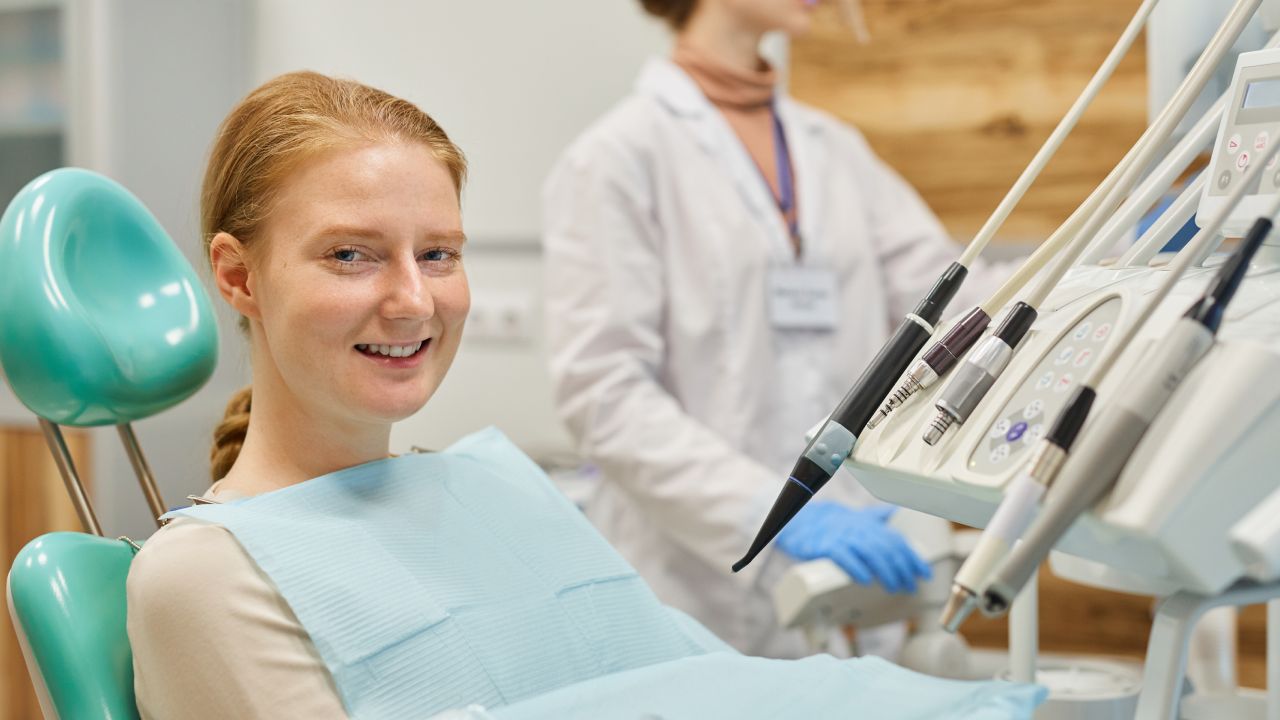
Understanding severe tooth decay
If you are searching for severe tooth decay treatment, you are probably dealing with serious pain, a broken tooth, or a cavity that has been ignored for a while. At this stage, quick action is the difference between saving your tooth and losing it.
Tooth decay starts as a small soft spot in the enamel caused by bacteria that feed on sugars and turn them into acid. Over time, these acids erode the enamel and move into the deeper layers of the tooth, creating a cavity and eventually reaching the nerve and blood supply inside the tooth. [1]
Once decay becomes severe, you are usually dealing with one or more of the following:
- Deep cavities that reach the nerve
- Large portions of tooth structure missing
- Cracks or fractures related to weakened enamel
- Infection or abscess at the root of the tooth
At this level, home care and simple polishing are not enough. You need restorative dentistry solutions like fillings, crowns, root canal therapy, or in some cases extractions and replacement options. Treating the problem early and effectively helps you avoid tooth loss, spreading infection, and more complex treatment later.
How tooth decay becomes severe
You do not get severe tooth decay overnight. It is a gradual process, and understanding that progression helps you see why timing matters so much.
In the beginning, acids from bacteria start to dissolve minerals in your enamel. In these early stages, your saliva, which contains calcium and phosphate, can actually help repair the enamel, especially when fluoride from toothpaste or rinses is present. [1] This is the window where early tooth decay can be stopped or even reversed.
If decay progresses, bacteria like Streptococcus mutans produce more acid that softens and dissolves enamel. This makes the tooth surface rough and easier for more bacteria to cling to, which accelerates the problem. [2]
Once the enamel is breached, decay spreads more quickly into the softer dentin underneath. If nothing is done, the cavity can reach the pulp, the living nerve tissue inside the tooth. At that point, you can experience:
- Intense pain or throbbing
- Sensitivity to hot, cold, or biting
- Swelling in your face or gums
- Abscess formation, which is a pocket of pus around the tooth root [3]
When decay advances to infection and abscess, urgent treatment is necessary. The infection can spread to surrounding tissues and can cause fever, facial swelling, and significant pain. In extreme cases, it can become a medical emergency.
Early intervention and noninvasive options
If your decay is still in the early or moderate stage, your dentist may be able to control it with noninvasive or minimally invasive treatments. This is where acting now instead of waiting can save you from more complex procedures.
Fluoride treatment for early decay
Fluoride is a mineral that helps protect and repair enamel. It can stop or reverse early tooth decay by supporting remineralization and making teeth more resistant to future acid attacks. [1]
In the earliest stages, your dentist may recommend:
- Prescription strength fluoride toothpaste or gels
- In office fluoride varnish or foam
- Fluoride mouth rinses as part of your daily routine
These options are usually not enough once you already have a true cavity, but they are very important for preventing new decay and reinforcing the teeth that are still healthy.
Silver diamine fluoride (SDF)
Silver diamine fluoride (SDF) is an FDA approved liquid that can stop active decay without drilling or injections. This can be especially helpful if you have dental anxiety, medical issues, or very deep cavities that cannot be treated with traditional fillings right away. [4]
SDF treatment is straightforward. Your dentist cleans the tooth surface and then applies SDF with a tiny brush directly to the decayed area. This may be repeated about three times over several months until the cavity is stabilized. The silver in SDF kills bacteria and stops new bacterial growth, while the fluoride helps rebuild weakened tooth structure. [4]
The most important tradeoff is appearance. The decayed portion of the tooth turns dark while it is healing. This dark color means the SDF is working and it only affects the decayed area, not the healthy enamel. Later, your dentist can cover this area with a tooth colored restoration if you want a better cosmetic result. [4]
SDF has an excellent safety profile. There are no documented serious adverse reactions, aside from temporary dark staining of the gums, lips, or tongue if it touches them by accident. SDF is not recommended if you have a silver allergy. [4]
Sealants and preventive care
If you are trying to protect teeth that have deep grooves but no severe decay yet, dental sealants can be a smart preventive step. Sealants are thin plastic coatings applied to the chewing surfaces of back teeth. They block bacteria and food from getting into the grooves and have been shown to reduce cavities in children and adolescents. [1]
On top of professional treatments, your daily habits matter:
- Brush twice a day with fluoride toothpaste
- Floss once a day to remove plaque between teeth
- Limit frequent snacking on sugary or starchy foods that feed cavity causing bacteria [1]
These simple steps will not fix severe decay that already exists, but they will support any restorative work your dentist does and protect your remaining teeth.
Standard severe tooth decay treatment options
Once a cavity is deep or a large portion of your tooth is damaged, restorative procedures are needed to repair structure, eliminate infection, and protect the tooth long term. For severe tooth decay treatment, your dentist will often use a combination of fillings, crowns, root canals, and sometimes tooth replacement.
Tooth colored fillings for moderate decay
When there is enough healthy tooth left, but the cavity is too big for remineralization alone, a filling is usually recommended. Modern tooth colored fillings use composite resin that bonds directly to your tooth, which lets your dentist preserve more natural structure compared to old style metal fillings.
Composite fillings:
- Blend with your natural tooth color
- Restore strength and function
- Can be used to repair chips or small fractures as well as cavities
If the cavity is very deep but not yet infected, your dentist may use a special liner beneath the filling to help protect the nerve. If you are unsure whether a filling is enough in your case, discuss your tooth restoration options so you understand the pros and cons of each approach.
Crowns for heavily damaged teeth
When decay has removed so much tooth structure that a filling alone would be weak or likely to crack, a dental crown becomes the more predictable choice. A crown covers the whole visible part of the tooth and acts like a protective cap.
The dental crown procedure usually includes:
- Removing decay and reshaping the remaining tooth
- Taking a precise impression or digital scan
- Placing a temporary crown while your custom crown is made
- Cementing the permanent crown once it is ready
Crowns are used when you have:
- Large fractures or broken cusps
- Teeth that had root canals and now need extra protection
- Severe wear combined with deep decay
Modern crown materials, like ceramic and porcelain fused to metal, are strong and can be matched to your natural tooth shade for a realistic appearance.
Root canal therapy for infected teeth
If decay reaches the pulp of your tooth, the nerve can become inflamed or infected. At that point, you will usually experience lingering pain, sensitivity to hot or cold, or discomfort when chewing. These are common signs you need a root canal.
Root canal therapy removes the infected or damaged pulp, cleans and disinfects the inside of the tooth, and then seals the space to prevent further infection. Afterwards, the tooth is often restored with a filling and a crown for long term strength.
Although root canals have a reputation for being painful, modern techniques and anesthetics mean they are usually no more uncomfortable than getting a large filling. Treating an infected tooth with a root canal allows you to keep your natural tooth instead of extracting it.
When extraction is the best choice
In some cases, a tooth is too damaged to restore. Advanced decay, cracks that extend below the gumline, or repeated failed restorations may make extraction the safest option. Your dentist will explain when this is the more predictable path to protect your overall oral health.
If a tooth is removed, you will want to think about how to replace it so that your bite, appearance, and ability to chew are not compromised. A dental bridge for missing tooth, dental implant, or removable partial denture may be recommended depending on how many teeth are missing and your overall treatment goals.
Advanced technology for treating decay
Modern dental technology can make severe tooth decay treatment more conservative, more comfortable, and more precise. If you have high anxiety about drills or injections, it can be reassuring to know that alternatives exist.
Enhanced early detection tools can reveal decay before it is visible to the eye or shows clearly on standard X rays. This lets your dentist intervene earlier and preserve more natural tooth structure, which can help you avoid more extensive procedures like root canals in some cases. [5]
Air abrasion is another option. It uses a focused stream of tiny particles to remove decayed tooth structure without the noise, vibration, or heat of a traditional drill. For small to moderate cavities, this method can often be performed with little or no local anesthesia and tends to preserve more of the healthy tooth. [5]
For larger or deeper decay, dental lasers may be used. Lasers can:
- Target and remove decayed tissue with high precision
- Sterilize the area and reduce bacteria
- Promote faster healing of surrounding tissues
Many patients find that laser treatment is more comfortable and sometimes do not need anesthesia at all. [5]
When a tooth has to be rebuilt significantly or replaced, technologies like CEREC can design, create, and place custom ceramic crowns in a single visit, which means you avoid multiple appointments and temporary crowns. Guided implant technology that uses 3D CBCT imaging and digital planning helps place dental implants with greater accuracy and predictability when teeth are lost due to severe decay. [5]
Protecting cracked, broken, and heavily restored teeth
Severe decay often goes hand in hand with cracks and fractures. Weakened enamel and dentin can break under normal chewing forces, especially if you grind your teeth or have an uneven bite.
If you already have a cracked or broken tooth, quick damaged tooth repair helps prevent decay from spreading deeper. Depending on the extent of the damage, your dentist might recommend:
- Composite bonding for minor chips
- Inlays or onlays for medium sized defects
- A full crown for significant structural loss
If you suspect a crack, seek treatment for cracked tooth promptly. Cracks can allow bacteria to reach the inner part of the tooth, which can eventually lead to infection and the need for root canal therapy or extraction.
If you have multiple teeth that are cracked, broken, or severely decayed, a comprehensive plan may be more effective than fixing each tooth one at a time. A full mouth reconstruction dentist can coordinate crowns, bridges, implants, and other restorations to rebuild your bite as a whole so that it functions comfortably and looks natural.
Even if your teeth feel “too far gone,” modern restorative dentistry gives you many ways to rebuild comfort, function, and appearance.
Lifestyle and habits that support healing
Dental treatment fixes the structural damage from severe decay, but your daily habits largely determine how long those restorations last and whether new problems develop.
To protect your teeth and any work your dentist has done:
- Brush twice daily with fluoride toothpaste, especially before bed
- Floss once daily to remove plaque between teeth and below the gumline
- Limit sugary drinks, sticky candies, and frequent snacking on starches, which feed cavity causing bacteria [1]
- Drink water throughout the day to help wash away food particles
- See your dentist regularly for cleanings and early diagnosis
Some research suggests that high intake of phytic acid, found in grains, beans, nuts, and soy, may interfere with your ability to absorb minerals like calcium, magnesium, iron, and zinc, which are important for oral health. Reducing foods very high in phytic acid and eating a balanced diet can help support your teeth. [2]
If you grind or clench your teeth, especially at night, talk with your dentist about a custom night guard. Protecting your teeth from grinding forces can prevent cracks in teeth that have already been weakened by decay or large restorations.
When to see a cavity treatment dentist
Cavities are one of the most common untreated health conditions. More than half of adolescents and the vast majority of adults have had at least one cavity. [2] Many people wait until they are in severe pain before they act.
You should schedule an appointment with a cavity treatment dentist if you notice:
- Persistent tooth pain, especially when chewing
- Sensitivity to hot, cold, or sweet foods
- Dark spots, holes, or rough areas on your teeth
- Bad taste or bad breath that does not go away
- Swelling in your gums or face near a tooth
Early on, it may still be possible to manage decay with fluoride, small fillings, or minimally invasive techniques. Once it becomes severe, you will probably need a combination of fillings, crowns, and root canal therapy to protect your teeth.
If you have multiple problem teeth, or if decay and wear have changed the way your teeth fit together, it can be helpful to consult a dentist who offers full mouth reconstruction dentist services. This type of comprehensive plan focuses on durability, comfort, and restoring your bite rather than just doing one quick fix at a time.
By seeking help early, choosing the right restorative options, and supporting your teeth with good daily habits, you can stop severe tooth decay from getting worse and protect your smile for the long term.