
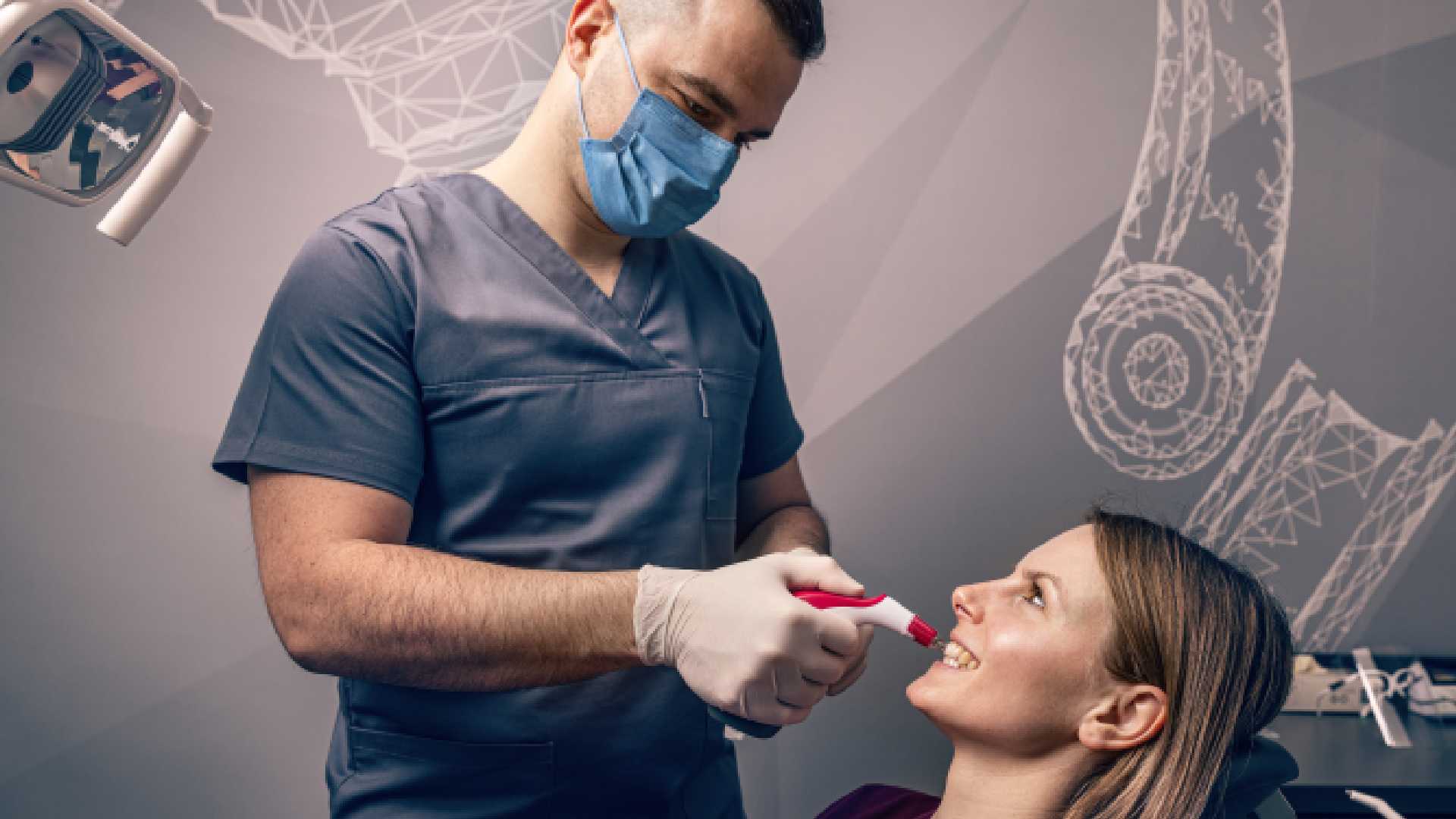
Understanding pain free dental treatment
If you live with dental anxiety, the idea of a “pain free dental treatment” can sound too good to be true. You might imagine needles, drills, or long hours in the chair and decide it is easier to avoid care altogether. Modern dentistry is very different from what you may remember. Today, your comfort and safety are central to every step of treatment.
Pain free dental treatment refers to a combination of techniques, technology, and sedation options that reduce or eliminate discomfort during your visit. This includes numbing medications, nitrous oxide, oral and IV sedation, laser dentistry, and advanced imaging that allows your dentist to work more gently and efficiently. These approaches work together so you can receive the care you need without fear or pain.
When you choose a dentist for dental anxiety, you are not just getting fillings or crowns. You are choosing an experience that respects your fears, protects your health, and helps you feel in control again.
Why you might avoid the dentist
If you have been putting off appointments for years, you are not alone. Research suggests that around 9 to 20 percent of people experience dental anxiety, and a significant number avoid care completely because of fear of pain or loss of control.
You might recognize some of these patterns in yourself:
- Fear of pain or past painful experiences
- Worry about needles or injections
- Sensitivity to sounds, smells, or sensations in the dental office
- Strong gag reflex that makes treatment uncomfortable
- Embarrassment about your teeth or how long it has been since your last visit
- Anxiety about being unable to stop or control what happens in the chair
Pain free and anxiety free dentistry directly addresses these concerns. By combining gentle techniques with personalized sedation, your dentist can create an environment where you feel safer, calmer, and better prepared for treatment.
How modern dentistry makes treatment more comfortable
Pain free dental treatment is not only about medication. Many newer technologies are specifically designed to reduce physical discomfort and shorten your time in the chair.
Laser dentistry for gentler procedures
Laser dentistry uses focused light to remove decay, reshape gums, and perform other procedures with far less trauma to your tissues. Compared with traditional drills or scalpels, lasers often:
- Cause less bleeding and swelling
- Reduce the need for sutures
- Shorten healing times
- Require little or no anesthesia for some procedures
Studies and clinical experience show that patients frequently report lower pain levels and faster recovery when lasers are used instead of conventional techniques.
Digital impressions and same‑day restorations
If you dislike messy impression trays or multiple visits, you may benefit from digital technology such as intraoral scanners and CAD/CAM systems. These tools:
- Capture highly accurate 3D images without gooey molds
- Allow your dentist to design and place same day crowns or restorations
- Reduce the number of injections and appointments you need
Digital impressions improve comfort and precision, while same day crowns limit the discomfort that can come from temporary restorations or repeated numbing injections.
Precise imaging for safer, smoother care
Digital radiographs and 3D imaging like CBCT provide detailed views of your teeth, roots, and jaw with lower radiation exposure and faster results. With better images, your dentist can:
- Plan complex procedures more accurately
- Avoid sensitive structures like nerves
- Work more efficiently and gently
This level of planning helps reduce complications, shortens time in the chair, and supports a more predictable, comfortable experience.
Local anesthesia and advanced numbing techniques
Local anesthesia is still the foundation of pain free dental treatment. It blocks pain signals from a specific area to your brain so you do not feel sharp sensations during care. Today, local numbing is far more comfortable than many people remember.
Topical numbing before injections
Before your dentist gives any injection, a strong topical anesthetic gel or cream can be applied to the gum. This step helps numb the surface layer so that the needle is barely felt or not felt at all. Using topical anesthetics is a simple but effective way to make injections virtually pain free.
Computer assisted anesthesia systems
Some practices use computer controlled delivery systems, such as the Wand, to administer local anesthetic very slowly and precisely. This allows:
- Smooth, steady flow of medication
- Less pressure and discomfort at the injection site
- More predictable numbness with less overall solution
Advanced anesthesia techniques like these improve comfort and are especially helpful if you are needle sensitive or have had uncomfortable injections in the past.
Reliable numbing during common procedures
Local anesthesia is commonly used for:
- Cavity fillings
- Root canal treatments
- Crown and bridge preparation
- Some gum treatments
In most cases, you remain fully awake and aware, but the area being treated is completely numb. This targeted approach is safe, efficient, and central to modern pain control in dentistry.
Nitrous oxide for mild relaxation
Nitrous oxide, often called laughing gas, is a simple and effective option if you feel anxious but want to stay awake and fully in control. A nitrous oxide dentist can adjust the level of gas during your visit to match your comfort.
You breathe nitrous oxide through a small nasal mask. Within a few minutes you usually feel:
- More relaxed and less worried
- Less aware of sounds and sensations
- Comfortable while staying able to talk and respond
Once your dentist stops the gas, pure oxygen is given for a few minutes and the effects wear off quickly. You can usually drive yourself home and resume normal activities, with no lingering drowsiness.
Nitrous oxide is often ideal if you:
- Have mild to moderate anxiety
- Want extra help relaxing during cleanings or fillings
- Have a sensitive gag reflex
- Prefer a quick recovery without feeling sedated for hours
Oral sedation for deeper calm
If your anxiety is moderate to severe, or if you are planning a longer appointment, oral sedation dentistry may be a better fit. With this method, you take a prescribed sedative pill or liquid before your visit.
Depending on the medication and dose, oral conscious sedation can:
- Make you feel very relaxed and drowsy
- Reduce awareness of time, sounds, and sensations
- Leave you with little memory of the procedure afterward
You remain responsive and can be awakened or redirected if needed, so your dentist can still communicate with you throughout treatment. Oral sedation is often used for more involved procedures or for patients who have had traumatic dental experiences in the past.
Because oral sedatives can linger for several hours, you will need someone to drive you to and from your appointment, and you should plan to rest for the remainder of the day.
IV sedation for maximum comfort
If you experience severe dental anxiety, need complex treatment, or prefer to “sleep” through your appointment, an iv sedation dentist can offer a deeper level of calm. Intravenous sedation involves medication delivered directly into your bloodstream through a small IV line.
With IV conscious sedation you generally:
- Drift into a sleep like, deeply relaxed state
- Remain technically conscious, but usually remember little or nothing
- Are continuously monitored for breathing, heart rate, and blood pressure
This type of sedation is often used for:
- Surgical procedures such as implants or wisdom teeth removal
- Multiple treatments completed in a single visit
- Patients with severe anxiety, strong gag reflex, or difficulty sitting still
Recovery is relatively quick, often within 60 to 90 minutes, but you will need a responsible adult to accompany you and drive you home.
For certain extensive or complex cases, general anesthesia in a hospital or surgery center may be recommended. Under general anesthesia you are completely unconscious, and this is reserved for specific medical or surgical situations.
Comparing your sedation dentistry options
To understand how these methods fit into pain free dental treatment, it helps to see them side by side.
| Method | Awareness level | Typical uses | Needs driver home | Key benefits |
|---|---|---|---|---|
| Local anesthesia | Fully awake | Fillings, crowns, gum care | No | Complete numbing of treatment area |
| Nitrous oxide | Awake, lightly relaxed | Cleanings, minor procedures, mild anxiety | Usually no | Quick onset and recovery |
| Oral sedation | Drowsy, relaxed | Longer visits, moderate to severe anxiety | Yes | Less memory of procedure |
| IV sedation | Deeply relaxed, sleep like | Surgery, complex or multiple treatments | Yes | Maximum comfort with close monitoring |
| General anesthesia | Fully unconscious | Major surgery, special cases | Yes | Complete lack of awareness |
Each option can be combined with local anesthesia so you remain pain free while also calm and comfortable. A dentist who focuses on sedation dentistry options will help you choose the safest and most effective approach for your needs.
Benefits of pain free dental treatment for your health
When you are no longer afraid of pain, you are more likely to schedule regular visits and complete recommended treatment. This has direct, long term benefits for your oral and overall health.
Early treatment and fewer emergencies
If you delay care until something hurts, problems like cavities, gum disease, and infections can become more serious and more expensive to fix. With pain free dental treatment:
- You are more likely to keep preventive visits and cleanings
- Small issues can be addressed before they turn into emergencies
- You reduce your risk of severe tooth decay, abscesses, or tooth loss
Regular care also supports your general health, since untreated dental infections can affect your heart, blood sugar control, and more.
More comfortable complex procedures
Some dental work, such as dental implants, jaw surgery, or sedation for tooth extraction, is naturally more involved. Sedation and advanced pain management allow you to complete this care:
- Without feeling pain during the procedure
- With less awareness of the length or complexity of treatment
- With a smoother, more manageable recovery
Modern approaches to pain control mean that even extensive work can be completed in a way that feels more manageable and less overwhelming.
Better experience and less fear over time
Every positive, pain free visit helps rewrite your expectations. Over time you may find that:
- You feel more in control and less anxious before appointments
- Your trust in your dentist and dental team grows
- You no longer feel the need to avoid or cancel care
Techniques such as nitrous oxide, oral and IV sedation, and gentle local anesthesia delivery are key tools in reducing ongoing fear and making dentistry more accessible for you.
Safety of sedation and pain free techniques
If you are considering sedation, safety is likely one of your main concerns. A focus on safe dental sedation includes careful planning, monitoring, and follow up.
Your dentist will typically:
- Review your full medical history and medications
- Discuss previous reactions to anesthesia or sedation
- Recommend the most appropriate level of sedation for your health and anxiety
- Provide clear pre and post appointment instructions
During sedation, your vital signs are monitored closely. For deeper levels like IV sedation, additional training and equipment are required, and strict safety protocols are followed.
When used appropriately, sedation dentistry is a safe and effective way to reduce anxiety and provide pain free dental treatment for many adults.
Who benefits most from anxiety free dentistry
While almost anyone can appreciate a more comfortable dental visit, certain groups benefit especially from anxiety free dentistry:
- Adults with strong dental fear or past traumatic experiences
- People who have avoided care for years and need extensive treatment
- Those with a strong gag reflex or difficulty getting numb
- Patients with special needs or sensory sensitivities
- Individuals who need multiple procedures completed efficiently in one or two visits
If you recognize yourself in any of these descriptions, a sleep dentistry consultation can help you understand which options are best for you.
Taking the next step toward pain free care
If dental fear has kept you from getting the care you need, you do not have to keep waiting. Pain free dental treatment is not a luxury, it is a practical, proven way to protect your health while respecting your comfort and emotional wellbeing.
You can start by:
- Scheduling a no pressure consultation with a dentist for dental anxiety to discuss your fears and goals.
- Asking about specific sedation dentistry options such as nitrous oxide, oral sedation dentistry, or working with an iv sedation dentist.
- Sharing your medical history and any past dental experiences so your dentist can design a tailored plan for safe, pain free treatment.
With the right team, tools, and techniques, you can move from avoiding the dentist to feeling confident that your visits will be comfortable, safe, and manageable. Pain free dental treatment allows you to focus not on getting through the appointment, but on enjoying healthier teeth and a better quality of life.