
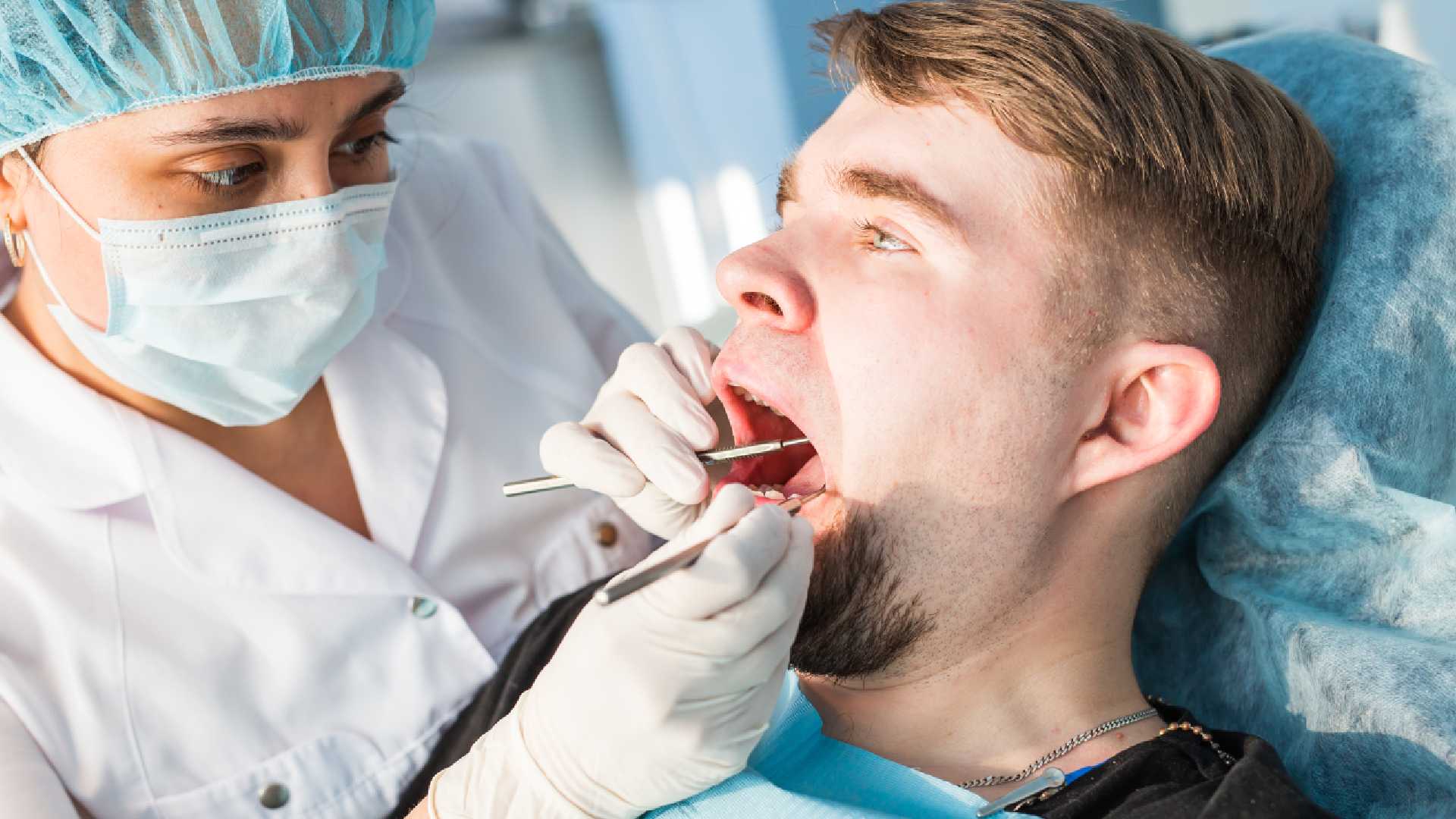
Understanding sedation for tooth extraction
If you live with dental anxiety, even hearing the words “tooth extraction” might make your heart race. Sedation for tooth extraction is designed specifically to change that experience. With the right type and level of sedation, you can stay relaxed, comfortable, and free from pain while your dentist safely removes a problem tooth.
Sedation dentistry uses medication to help you manage stress and anxiety during procedures while you remain awake and responsive. You are not “knocked out” in most cases, but you feel deeply calm and often remember little of the visit afterward. This approach is especially helpful if you:
- Avoid the dentist because of fear
- Need multiple or complex extractions
- Have a strong gag reflex or trouble sitting still
- Had a traumatic dental experience in the past
By choosing the right sedation dentistry options, you can finally get the care you need without feeling overwhelmed.
Why nervous patients benefit from sedation
Dental fear is common, and it is not a sign of weakness. Your anxiety might come from a past painful procedure, sensitive teeth, or even stories you have heard from others. Sedation directly targets this anxiety so you can focus on healing instead of worrying.
When you receive sedation for tooth extraction, your brain’s anxiety response is dialed down. You feel:
- Calmer in the waiting room
- Less aware of sounds, sensations, and time passing
- More comfortable with injections or instruments
This calmer state has important benefits. You are less likely to tense your muscles or flinch, so your dentist can work more efficiently and precisely. You also reduce the risk of postponing or cancelling needed treatment, which can prevent infections and more serious problems later.
For many patients, sedation is the key that finally makes anxiety free dentistry possible on a consistent basis.
Levels of comfort and pain control
During an extraction, your dentist focuses on two separate but related goals: controlling pain and controlling anxiety. Pain control is typically managed with local anesthesia. Anxiety is managed with sedation. Together, they create pain free dental treatment that feels manageable even for very nervous patients.
Local anesthesia, such as lidocaine, is injected around the tooth to numb the area so you do not feel sharp pain during the extraction. On top of this, different types of sedatives can be used to help you relax:
- Mild sedation, where you feel calm but fully awake
- Moderate sedation, where you are drowsy and may sleep lightly
- Deeper conscious sedation, where you might remember little or nothing of the procedure yet still breathe on your own and respond to prompts
The exact combination your dentist recommends depends on your anxiety level, your health, and how complex the extraction will be. A dentist for dental anxiety will walk you through your options and help you choose what feels safest and most comfortable.
Nitrous oxide: Quick, light relaxation
Nitrous oxide, often called laughing gas, is one of the most common forms of mild sedation for tooth extraction. If you are anxious but want a light, easily controlled option, a nitrous oxide dentist may be a good fit.
With nitrous oxide:
- You wear a small mask over your nose.
- You breathe in a mixture of nitrous oxide and oxygen.
- Within 3 to 5 minutes, you feel calm and relaxed.
You remain awake, can answer questions, and are aware of what is happening, but your fear is greatly reduced. Local anesthetic is usually given after the gas takes effect, so you feel little discomfort from the injection.
Once the procedure is finished, you breathe pure oxygen. The nitrous oxide wears off quickly, and you can typically drive yourself home and return to normal activities shortly afterward. This makes nitrous oxide especially convenient if you prefer not to arrange a driver.
Nitrous oxide is often recommended if you:
- Have mild to moderate anxiety
- Want a “lighter” option
- Need a simple or single extraction
- Prefer a sedative that is fully out of your system quickly
For many patients, this is the easiest way to experience truly anxiety free dentistry for the first time.
Oral conscious sedation: Deeper calm in pill form
If your anxiety is more intense or you struggle with the sounds and sensations of dental work, oral conscious sedation can offer a deeper level of relaxation. With oral sedation dentistry, you typically take a prescribed pill at home or shortly before your visit.
Common medications include triazolam (Halcion), zaleplon, or lorazepam [4]. For children, a liquid medication such as midazolam syrup may be used.
With oral conscious sedation:
- You feel very relaxed and drowsy.
- You remain awake and can respond, but many people doze lightly.
- You may remember little of the procedure afterward even though you were technically conscious.
This type of sedation is especially helpful if you have strong dental fear, a sensitive gag reflex, or difficulty controlling movements during treatment. It is also popular because it avoids needles for the sedative itself.
You should be aware of a few important points:
- You cannot drive after your appointment. A trusted adult must take you home.
- You may feel groggy or sleepy for the rest of the day, so plan to rest at home.
- Side effects can include dry mouth, nausea, headache, or prolonged drowsiness in some patients.
Despite these considerations, oral sedation is considered safe and is widely used to make necessary dental care more accessible for patients with significant anxiety. It can be an excellent bridge to regular, pain free dental treatment that you no longer feel the need to avoid.
IV sedation: Strong support for severe anxiety
If you live with severe dental fear, need multiple teeth removed, or face a complex surgical extraction, IV sedation may be recommended. An iv sedation dentist delivers the sedative through a small IV in your hand or arm so it works quickly and can be adjusted throughout the procedure.
IV sedation is often described as a “twilight sleep.” You are not fully unconscious, but you are deeply relaxed and may have no memory of the extraction afterward. Your vital signs are monitored continuously to keep you safe.
Key points about IV sedation for tooth extraction:
- It offers the deepest level of conscious sedation for dental procedures.
- It is suited to patients with severe anxiety or those undergoing lengthy or complicated extractions.
- You almost always need someone to stay at the office, drive you home, and be with you afterward.
Some extra steps are needed to keep IV sedation safe:
- You must not eat or drink for 8 hours before surgery, or the procedure may need to be postponed.
- You are usually asked to wear loose, comfortable clothing and a short-sleeved shirt so staff can place the IV and monitoring leads easily.
- You may be asked to avoid makeup, nail polish, or acrylic nails so the monitoring equipment works correctly.
For many nervous patients, IV sedation is the first time they experience truly anxiety free dentistry. Knowing you will likely sleep through and remember little of the procedure can make it much easier to walk through the door and get the care you need.
General anesthesia: Reserved for the most complex cases
In some situations, general anesthesia may be recommended for tooth extraction. This is the deepest level of sedation, where you are fully unconscious and require breathing support. It is usually reserved for very complex or extensive procedures, or for patients who cannot tolerate other forms of sedation.
General anesthesia is typically provided in a hospital or specialized surgical setting rather than a standard dental office. If your dentist believes this is the best option, you will receive detailed instructions about fasting, medications, and post-operative care similar to other outpatient surgeries.
What to expect during a sedated extraction
Knowing what will happen step by step can make sedation for tooth extraction feel less intimidating. While details vary between offices, the general process is similar.
First, your dentist or oral surgeon will review your medical history, current medications, and any health conditions, such as heart, liver, or kidney issues. This review helps them choose safe dental sedation that fits your specific needs.
On the day of your extraction:
- If you are having nitrous oxide, little to no special preparation is needed because it wears off quickly and has minimal side effects.
- For oral or IV sedation, you are typically instructed to fast for several hours beforehand to reduce the risk of nausea or complications.
Once you are in the chair and your sedation has taken effect, local anesthesia is given to numb the area around the tooth. If the tooth is impacted, your dentist may make a small incision in the gum, gently remove the tooth, then place stitches so the area can heal properly.
You will not feel sharp pain because of the numbing medication, and the sedation helps you feel detached from pressure or movement. Many patients describe the experience as if it were over in just a few minutes.
After the tooth is removed, you will bite on gauze to control bleeding, then rest in a recovery area while the sedation wears off. Staff will make sure you can walk, talk, and are stable before you leave, especially after IV or oral sedation.
Recovery and common side effects
Recovery after sedation for tooth extraction depends partly on the type of sedation used.
With nitrous oxide, you typically feel normal again within minutes, and most patients can drive themselves home and resume light activities the same day.
With oral or IV sedation, it is normal to feel groggy, lightheaded, or sleepy for several hours, and sometimes for the rest of the day. You should plan to rest quietly at home with a responsible adult nearby until you are fully alert.
Common temporary side effects of dental sedation can include:
- Nausea or vomiting, usually shortly after the procedure and sometimes lasting a day or two
- Dry mouth as you wake up, which often improves with small sips of water if nausea is mild
- Fuzzy thinking or confusion, especially in the first few hours and more commonly in older adults
- Chills, muscle aches, itching, dizziness, or bladder changes, which usually resolve within hours or days
Older adults and people undergoing lengthy procedures may have a higher risk of longer lasting confusion or cognitive changes, which is why it is so important to share your full health history and follow all pre-procedure instructions carefully.
In addition to sedation-related effects, your mouth will need time to heal from the extraction itself. You will typically be advised to:
- Rest with your head elevated
- Avoid chewing near the extraction site
- Follow a soft diet for several days
- Wait to eat until the numbness from local anesthesia has worn off to avoid biting your cheek or tongue
Your dentist will give you detailed written instructions so you know exactly what to expect and how to care for the area at home.
For most anxious patients, the temporary side effects of sedation are far outweighed by the relief of finally completing needed treatment without overwhelming fear.
Making sedation dentistry safe for you
Sedation for tooth extraction is considered safe for most healthy adults when it is provided by trained professionals who take the time to understand your medical history. You play a key role in that safety by communicating openly and preparing as directed.
Before your procedure, be sure to:
- Tell your dentist about all medications, vitamins, and supplements you take.
- Share any heart, lung, liver, kidney, or neurological conditions.
- Mention past reactions to anesthesia or sedation.
- Ask questions about the type of sedation recommended and what you will feel.
A provider who focuses on safe dental sedation will explain your options, outline the risks and benefits, and adjust your plan if anything in your health profile suggests extra caution.
If you are unsure whether you are ready for sedation, a sleep dentistry consultation can be a low pressure way to talk through your fears, learn more about the medications used, and decide on a plan that feels right for you.
Taking the next step toward anxiety free care
If fear of extractions or other procedures has kept you away from the dentist, you are not alone, and you are not stuck. Sedation for tooth extraction can transform a situation you might be dreading into one you can tolerate comfortably and safely.
By choosing from nitrous oxide, oral conscious sedation, or IV sedation, and combining those options with effective local anesthesia, you can experience truly pain free dental treatment. Working with a dentist for dental anxiety who understands your concerns allows you to rebuild trust in dental care at your own pace.
You do not have to wait for pain or infection to force you into an emergency visit. Exploring your sedation dentistry options now can make it possible to protect your oral health without reliving old fears.
References
- (Cleveland Clinic)
- (Emmy Dental)
- (Braasch Oral Surgery)
- (Cleveland Clinic; Gentle Dental)
- (Gentle Dental)
- (Cleveland Clinic; Lighthouse Family Dentistry)
- (Lighthouse Family Dentistry)
- (Emmy Dental; Braasch Oral Surgery)
- (Greater CT Oral Surgery)
- (Lighthouse Family Dentistry; Braasch Oral Surgery)
- (Dental Sedation Services)